

1799–1856
Toronto Necropolis
Section K Lot 90
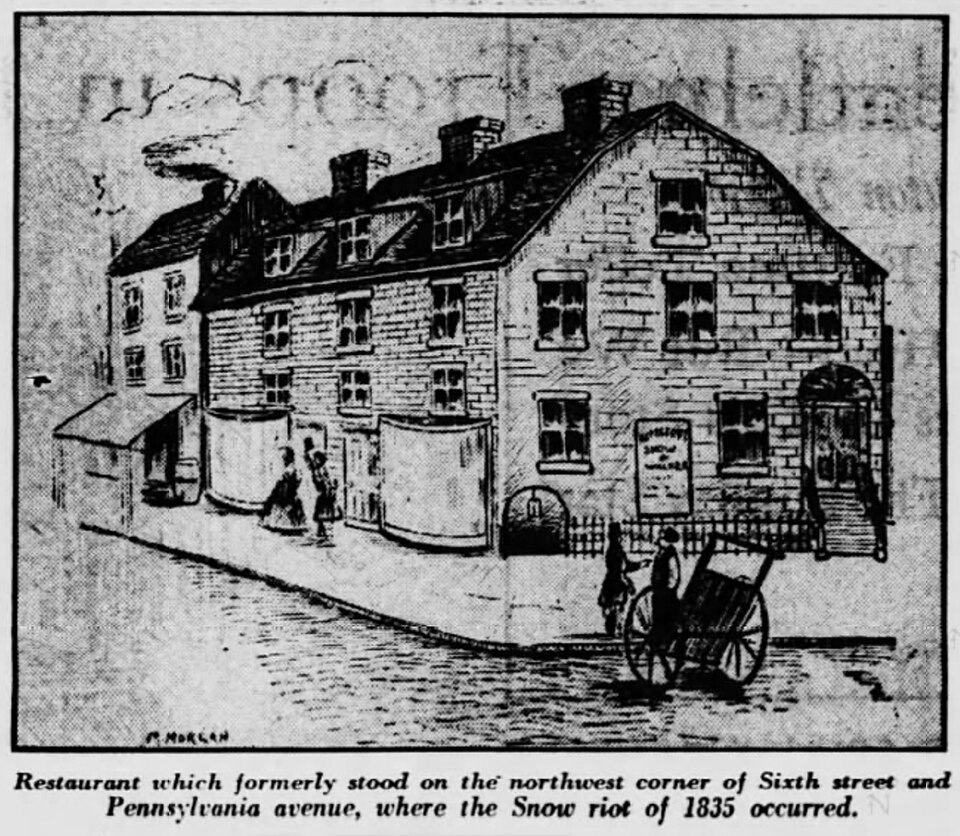
Beverly Randolph Snow was a Black entrepreneur whose life story speaks powerfully to issues of racial equity, economic empowerment and belonging, both in the United States and Canada. Born enslaved in Lynchburg, Virginia, Snow gained his freedom in 1829 and quickly distinguished himself as an educated, successful businessman. His Epicurean Eating House in Washington, DC, became a symbol of progress for free Black Americans, offering refined dining and challenging the era’s racial stereotypes.
Snow’s success, however, provoked hostility. In 1835, the Snow Riot erupted when a mob of white tradesmen and mechanics, fuelled by racial resentment and false rumours, destroyed his restaurant and terrorized Black schools and churches. This violent backlash was not just an attack on property; it was an assault on Black aspiration and autonomy. The riot underscores a painful truth: economic achievement by marginalized communities has often been met with systemic resistance.
After escaping the violence, Snow and his wife Julia fled to Toronto, which was emerging as a haven for free Black people and formerly enslaved individuals. Here, Snow rebuilt his life and opened several successful establishments, including a coffee shop at Church and Colborne Streets, the Epicurean Recess, and later the Phoenix Saloon (1848) and the Exchange Saloon (1856). These ventures contributed to the vibrancy of what we now know as Cabbagetown, an historic neighbourhood that became home to diverse working-class families and immigrants. Snow’s entrepreneurial spirit helped shape Toronto’s social fabric and affirmed the city’s role as a refuge from racial oppression.
Snow died in Toronto on October 21, 1856, and is buried with Julia in the Toronto Necropolis among other abolitionists and reformers who fought for justice. His presence there is a reminder that Toronto’s history is deeply connected to the struggle for freedom and equality.
Snow’s journey mirrors ongoing struggles against racial discrimination and economic inequality that continue to this day. His resilience inspires us to create inclusive communities where success is celebrated, not punished. Commemorating Beverly Snow is not just about honouring history – it’s about advancing equity and opportunity for all.
Source:
• Wikipedia – Snow Riot
• Biography Reference: DC History Center – Beverly Snow
• Mount Pleasant Group – Beverly Randolph Snow
Photos:
• Newspaper clipping - Library of Congress, CC BY-SA 4.0, via Wikimedia Commons
• Beverly Snow's Epicurean Eating House, Sixth St. and Pennsylvania Avenue, about 1835, unknown author, Public domain, via Wikimedia Commons


