
1788–1856
Toronto Necropolis
Section M Lot 98
High on the hills of Toronto Necropolis rests John Ewart, a man whose architectural talents exerted considerable influence on the foundations of early Toronto. Born in Tranent, Scotland, Ewart emigrated to York, Upper Canada, in 1818 and quickly became one of the most influential architects and civic leaders of his time.
His designs defined the look and feel of Upper Canada’s capital during its formative years. Among his most notable works were York General Hospital, built in 1820 as a two-storey, 50-bed facility that even served as a temporary parliament building; the Home District Courthouse and Jail on King Street, completed in 1824; and the original east wing of Osgoode Hall, constructed in 1829 and still standing today. He also designed the “Red Brick” buildings of Upper Canada College, which opened in 1831, and St. Paul’s Roman Catholic Church, York’s first Catholic church, admired for its elegance and economy. Through these projects, Ewart introduced Regency-inspired architecture to a frontier town eager for permanence and dignity.
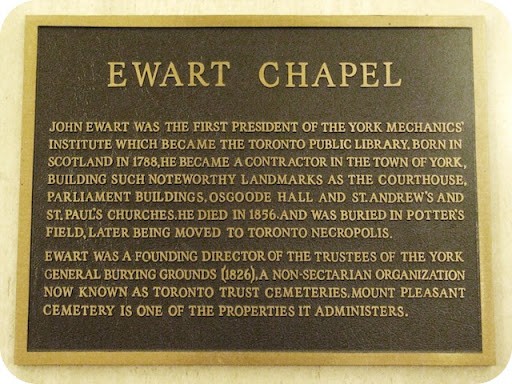
Ewart’s influence extended beyond bricks and mortar. He became the first president of the York Mechanics’ Institute in 1830, the forerunner of the Toronto Public Library. He served as a founding trustee of the York General Burying Ground in 1826, which later evolved into today’s Mount Pleasant Group of Cemeteries, and helped plan Potter’s Field, Toronto’s first non-denominational cemetery at Yonge and Bloor and Mount Pleasant Group's first cemetery. His civic contributions included roles as a director of the City of Toronto and Lake Huron Rail Road Company, and service on committees dedicated to public works and social welfare.
John Ewart died in Toronto on September 18, 1856, of gangrene brought on by arteriosclerosis. His achievements earned him the title “Upper Canada’s First Architect.”
Sources:
• Dictionary of Canadian Biography – John Ewart
• Mount Pleasant Group – John Ewart
• Cabbagetown People - John Ewart
Photos:
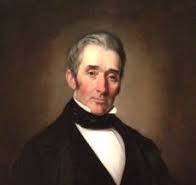
• Portrait - Royal Ontario Museum
• Plaque - Torontoplaques.com
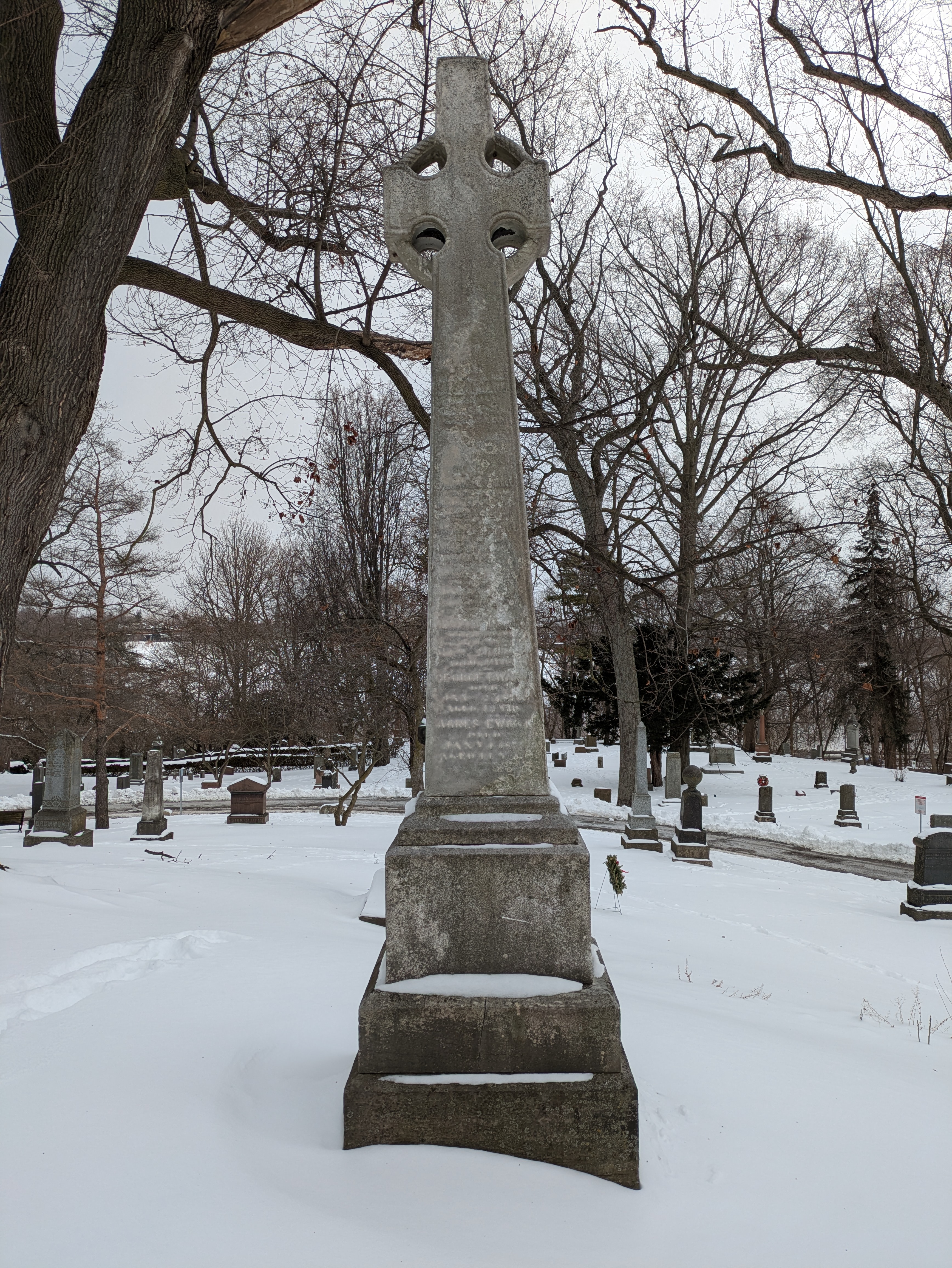
• Monument - Pat Farrell


