
Toronto Necropolis
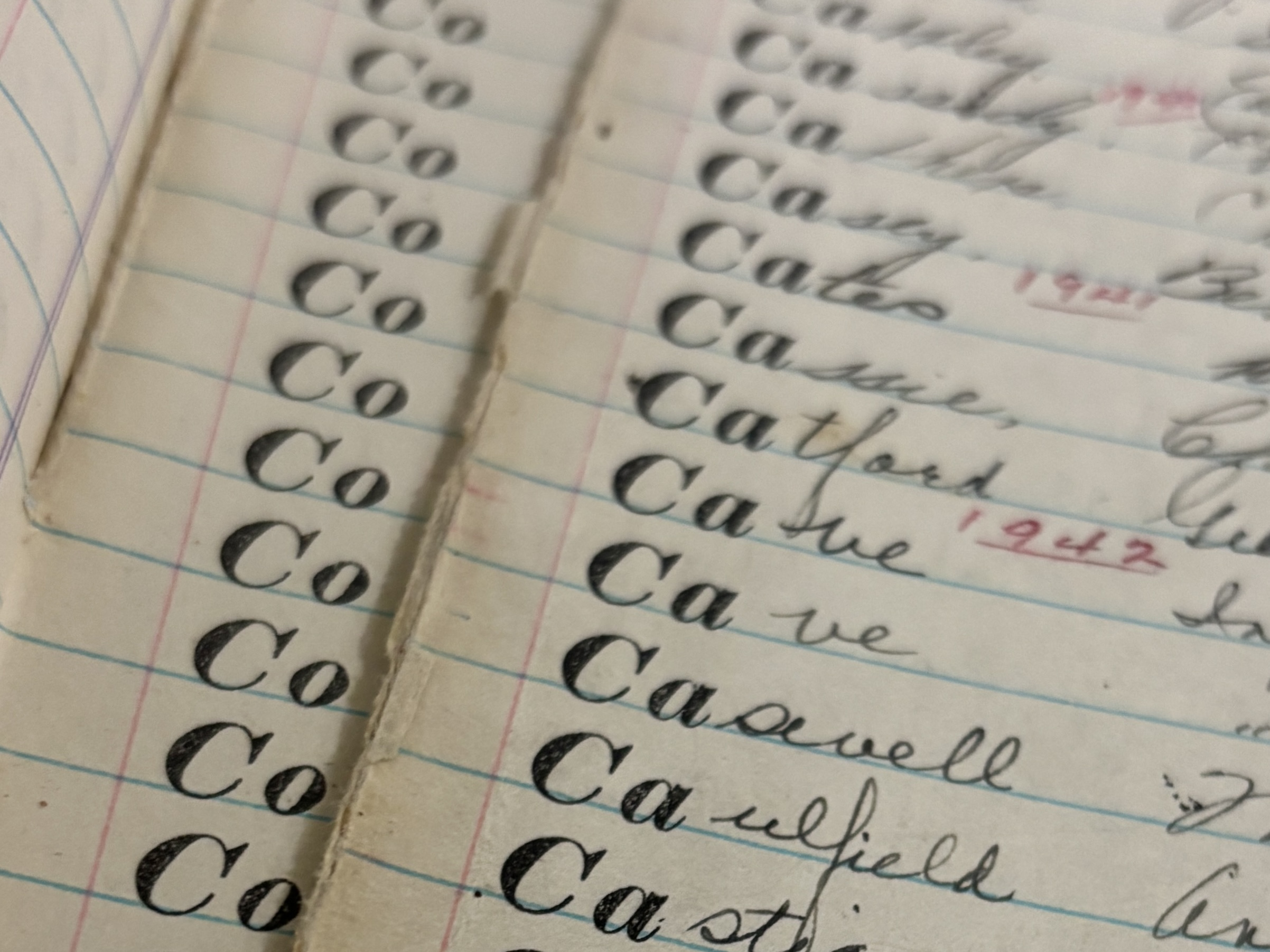
Long before computers and digital databases, the Toronto Necropolis relied on the steady hand of its caretakers. For decades, every burial, every payroll entry and every transaction was meticulously handwritten in ledgers that now feel like artifacts from another era. These books didn’t just track names and dates; they told stories of life and death. Each page documented where a person was born, when they died and where they were laid to rest. In the 1800s to mid-1900s, the cause of death was included on the Ontario Registration of Death, until 1949, when the form was split into two: A “Statement of Death” and a “Medical Certificate of Death” to protect personal privacy. Nonetheless, we can see history unfolding one entry at a time in these neat cursive lines.
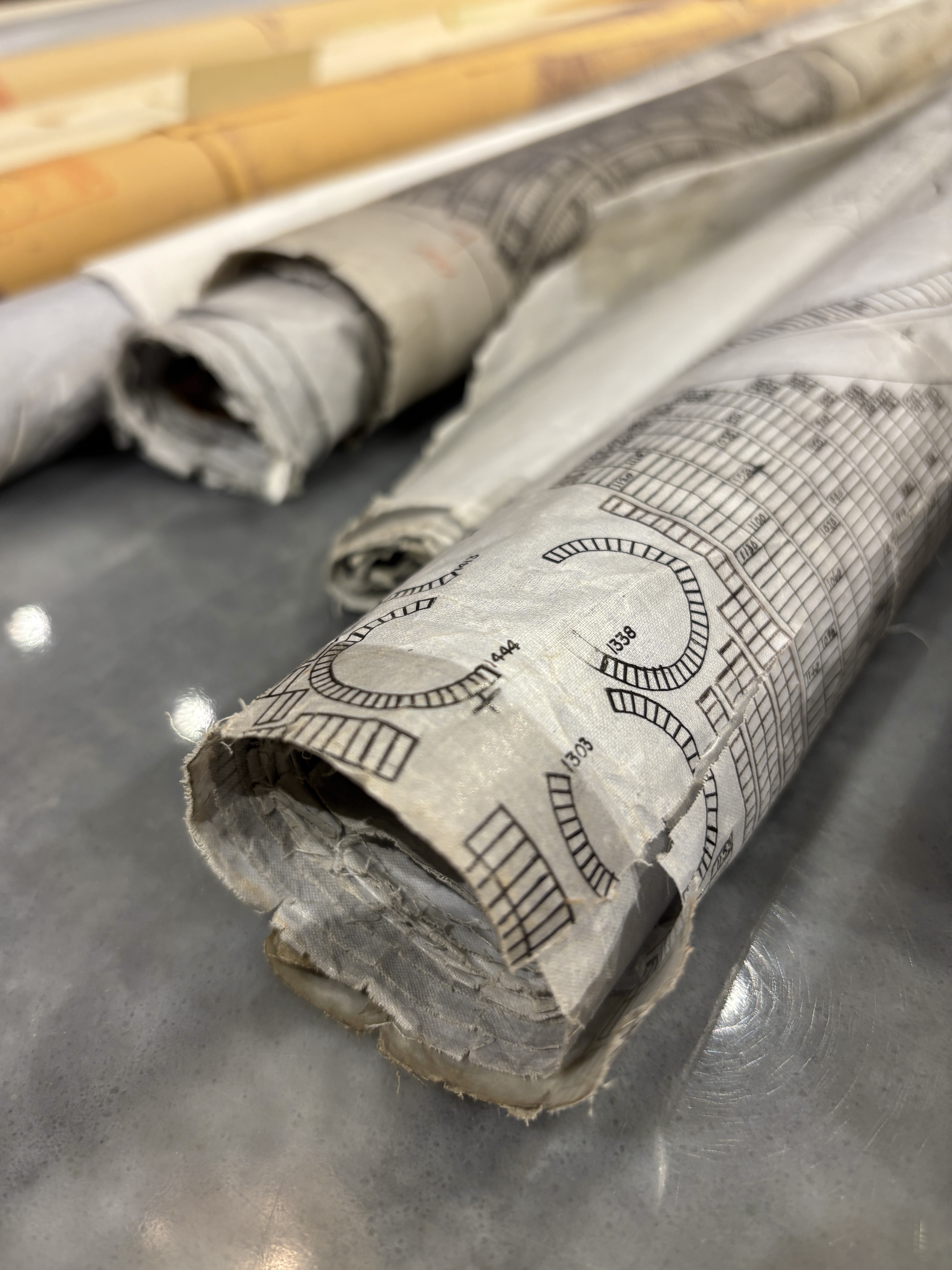
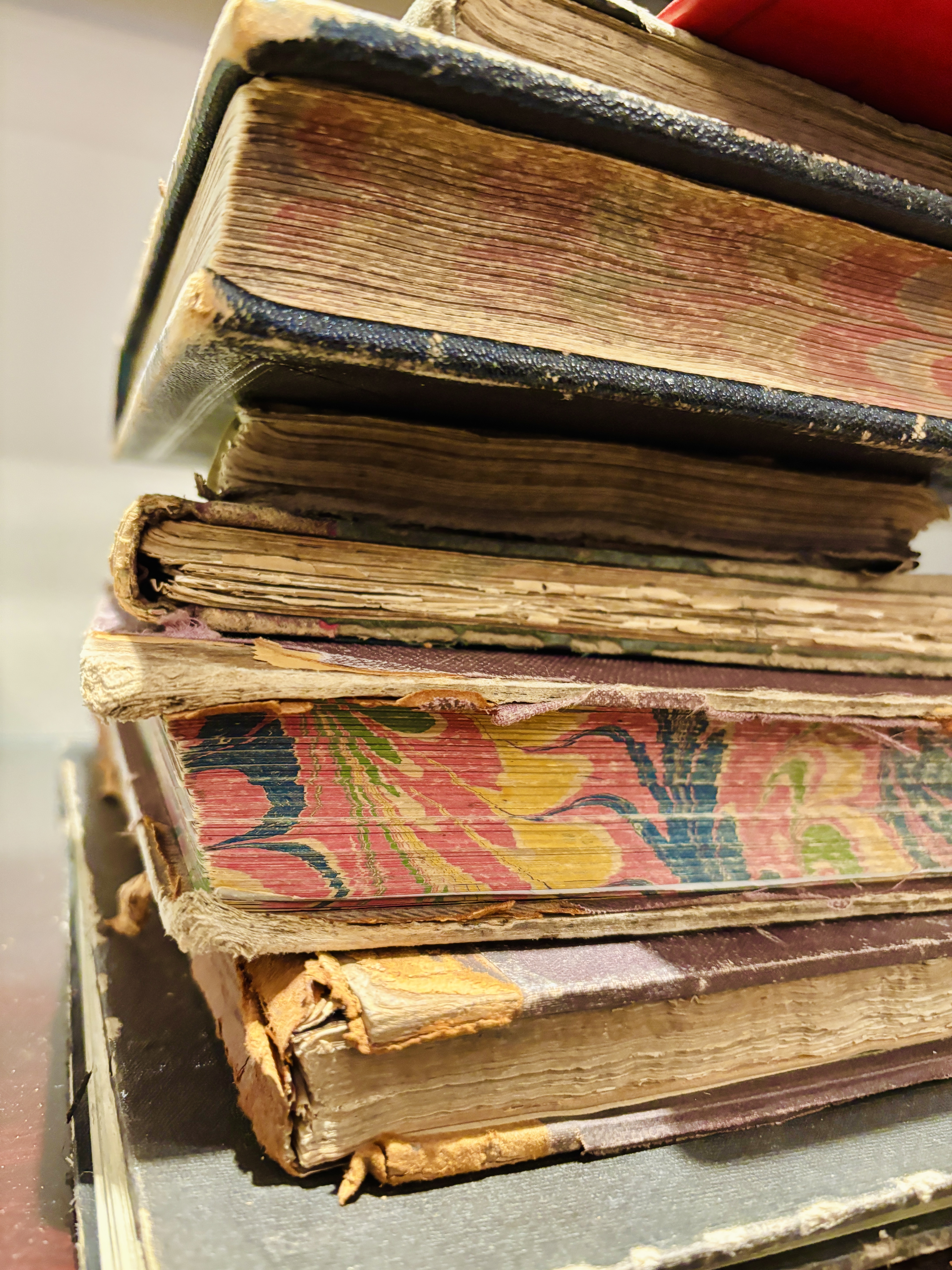
Even until quite recently, old payroll books and burial registers could be found in the Necropolis basement, some dating back to the 1940s and earlier. They revealed a world where workers earned as little as 50 or 60 cents an hour, often labouring six days a week with little or no overtime. Alongside these records were keys, tools and other remnants of a time when cemeteries were managed with pen and ink rather than computer screens and servers.
These handwritten ledgers are more than administrative relics – they are vital links to precious records of genealogy and family heritage. For many descendants searching for ancestors’ graves, these records provide answers that no digital shortcut can replicate; often they serve as the sole material evidence of an ancestor’s existence. They remind us how much the way that we live and work has changed and why preserving these pieces of history matters. In these faded pages lay testaments to care, precision and the remarkable human efforts behind Toronto’s oldest burial grounds.
Source: Mount Pleasant Group
Photos: Courtesy of Emmie Tsumura, Mount Pleasant Group


