
1919–1951
York Cemetery
Section 5 Lot 14
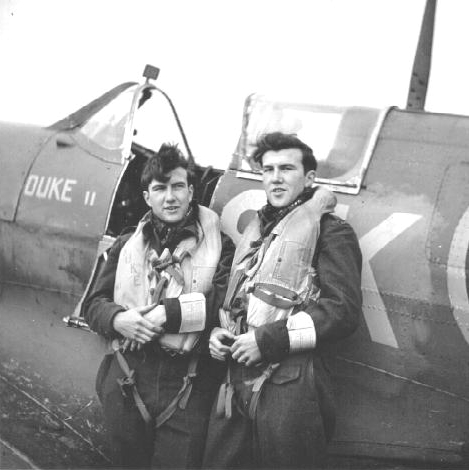
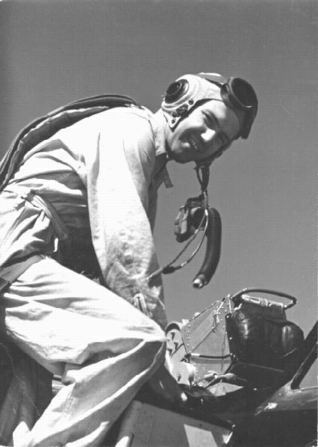
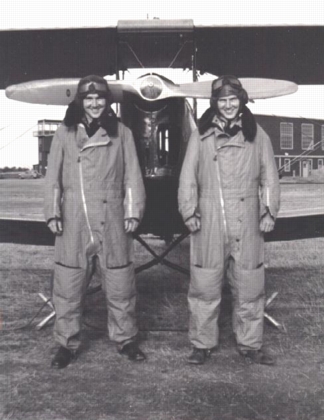
Bruce Warren, born in Nanton, Alberta, shared an unbreakable bond with his twin brother, Douglas Warren. Together, they served with distinction in the Royal Canadian Air Force during the Second World War, each earning the Distinguished Flying Cross for their courage in combat. After the war, Bruce Warren continued his career in aviation, moving from operational flying to the high-risk world of experimental test piloting.
In the early 1950s, Warren joined Avro Canada, a company at the forefront of Canadian aerospace innovation. Avro was tasked with developing the CF-100 Canuck, the only Canadian-designed and manufactured jet fighter to see operational service. This aircraft was critical to Canada’s role in continental defense during the first decade of the Cold War, protecting North America under NORAD and serving NATO forces in Europe. The CF-100 represented not just a technological milestone, but also a statement of Canada’s ability to produce world-class military aircraft.
Warren became one of the program’s leading test pilots, logging 81 successful flights and nearly 60 hours in CF-100 prototypes. His work was essential in proving the aircraft’s capabilities and ensuring its reliability under demanding conditions. These successful tests gave Avro Canada the confidence and technical foundation to pursue even more ambitious projects – most notably the Avro Arrow, a supersonic interceptor that would become one of the most advanced aircraft designs of its era. Lessons learned from Warren’s flights on high-altitude performance, stability and systems integration directly informed Avro’s engineering approach for the Arrow.
But on April 5, 1951, tragedy struck. While flying the second CF-100 prototype near London, Ont., his aircraft suddenly plunged from high altitude into a field. Investigators found no mechanical failure; the likely cause was an oxygen system malfunction – a silent and deadly hazard in high-altitude flight.
The crash was a sobering reminder of the dangers faced by test pilots and the complexity of new jet technology. Yet Warren’s sacrifice was not in vain. His efforts helped validate the CF-100 design, which went on to serve Canada and its allies for more than a decade, becoming a cornerstone of Cold War air defense and paving the way for Avro’s next great leap forward.
Warren’s story is one of courage, innovation and ultimate sacrifice, a testament to the individuals who risked everything to advance Canadian aviation and secure the nation’s place in aerospace history.
Source:
• Nanton Lancaster Society / Bomber Command Museum of Canada – Warren Brothers Biography
• Mount Pleasant Group – Bruce Warren
Photos courtesy of Bomber Command Museum of Canada


