


1857–1918
Toronto Necropolis
Section D Lot 16
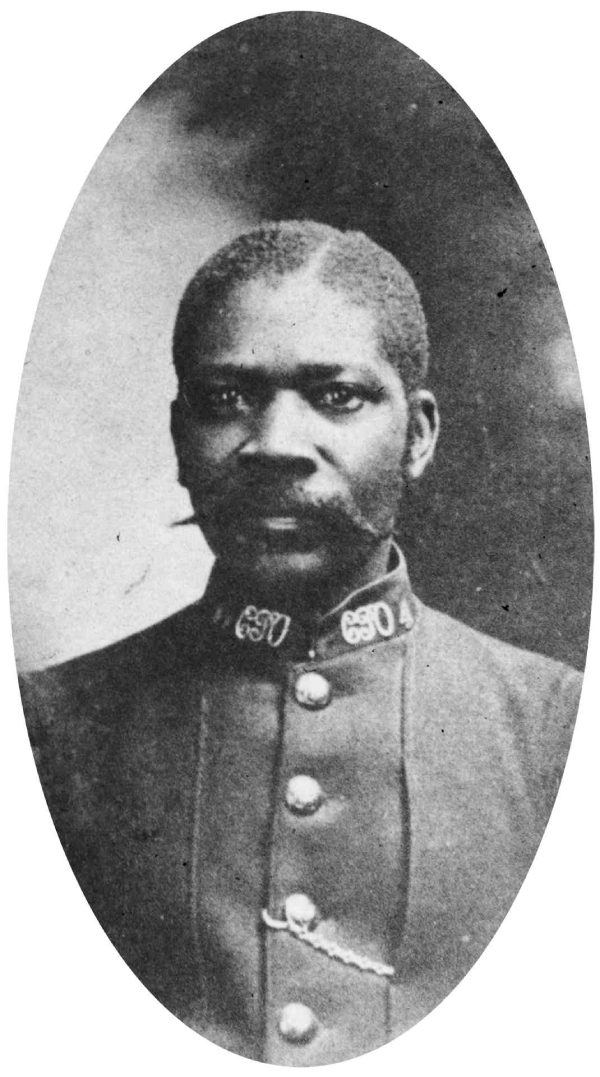
In 1882, Albert Jackson became the first Black letter carrier in Canada.
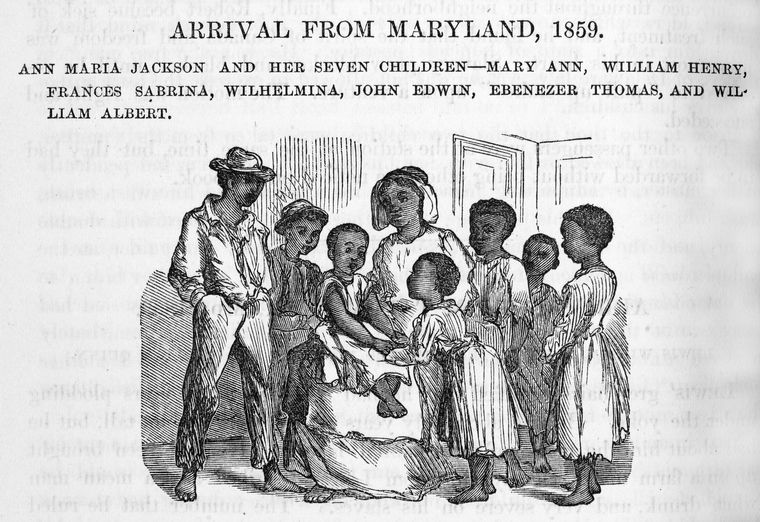
Albert’s journey began in Delaware in 1858, when his mother, Ann Maria Jackson, fled slavery through the Underground Railroad with seven of her children. She made this dangerous escape after two of her eldest sons were sold and her husband reportedly died from grief. Albert was just a toddler when the family reached Upper Canada and settled in Toronto.
Ann Maria worked as a laundress to support her family and send Albert to school. Her courage and sacrifice laid the foundation for his future success.
After finishing school, Albert applied for a job as a letter carrier, a prestigious government position at the time. On May 12, 1882, he was hired, making history as the first Black person to hold that role.
Getting hired was only the first hurdle he faced as a letter carrier. White co-workers refused to train him, and his supervisor reassigned him to janitorial work. The story made headlines, and newspapers called him “The Objectionable African.”
Toronto’s Black community fought back. They wrote letters to newspapers, formed a committee and even appealed to Prime Minister Sir John A. Macdonald. Facing an election, Macdonald intervened and ordered that Jackson be reinstated. Once he was reinstated, Jackson served with dedication for the next 36 years.
Jackson and his wife Henrietta also invested in real estate, owning nine properties across Toronto. They were leaders in the city’s growing Black community.
Jackson died in 1918 and was buried in Toronto Necropolis, near the graves of his siblings and mother. Henrietta lived to 99 and rests beside him. Their son Alfred, who died at 17, is also buried nearby.
Albert Jackson’s courage continues to inspire generations. In 2019, Canada Post honoured him with a commemorative stamp. Four years later, in 2023, the Albert Jackson Postal Processing Facility opened in Scarborough as the city’s first zero-carbon facility. In 2024, Albert Jackson was officially designated a national historic person, a tribute to his extraordinary legacy.
Sources:
• The Canadian Encyclopedia – Albert Jackson
• Parks Canada – National Historic Designation: Albert Calvin Jackson
• Canada Post – Black History Month Stamp: Albert Jackson
• Heritage Toronto – Albert Jackson Plaque & Historical Background
Photos:
• Headshot - unknown, public domain Wikimedia Commons
• Stamp - Canada Post Corporation / Library and Archives Canada


