
1836–1907
Toronto Necropolis
Section O Lot 255
Henry Langley was one of the first architects born and trained in Canada and a key figure in helping to shape Toronto’s 19th-century architectural identity. Educated at Toronto Academy and apprenticed under Gothic specialist William Hay, Langley became known for his mastery of Gothic Revival, a style that gave Toronto many of its most enduring landmarks.
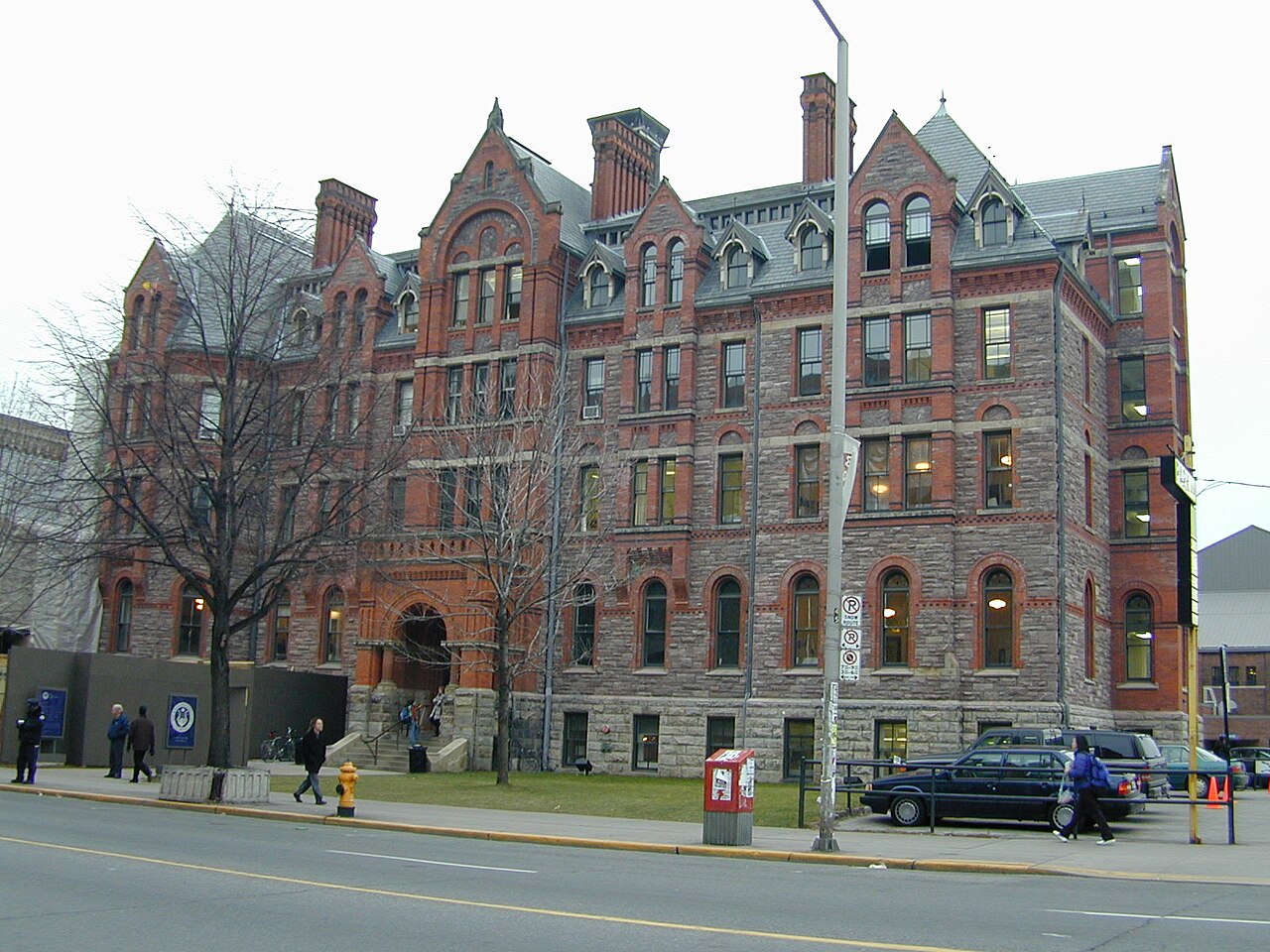
His work is still visible across the city. Langley himself designed the Toronto Necropolis Chapel and its ornate gate in Cabbagetown, the Metropolitan United Church at Queen and Church Streets, and the spire of St. Michael’s Cathedral at Shuter and Bond Streets remain defining features of Toronto’s historic streetscape. He also designed McMaster Hall, now home to the Royal Conservatory of Music, and civic monuments like the Fort Rouillé Monument at Exhibition Place. These buildings are not mere relics – they continue to anchor neighbourhoods and remain part of the stories that constitute Toronto’s ongoing growth.
Langley’s influence also extended beyond architecture. He was a founding member of the Royal Canadian Academy of Arts, helped establish the Ontario Association of Architects and served as the first chair of the Department of Architecture at the University of Toronto, shaping the profession for future generations.
Though Langley died in 1907, his vision lives on in the spires and stone façades that give Toronto’s heritage districts their unique charm. He rests in an unmarked grave at the Toronto Necropolis, beside his parents, within the grounds of one of his most beautiful designs. It is a quiet, poetic ode to the architect who shaped so much of Toronto’s urban character.
Sources:
• Mount Pleasant Group – Henry Langley
• Wikipedia – Henry Langley (architect)
• Dictionary of Canadian Biography – Henry Langley
• Cabbagetown People – Henry Langley
• Biographical Dictionary of Architects in Canada – Henry Langley
Photo: Royal Conservatory of Music, by paradiso, Public domain


