
1874–1950
Mount Pleasant Cemetery
Plot L Section 46 Lot 21
William Lyon Mackenzie King was Canada’s longest serving prime minister and one of the most consequential figures in the nation’s political history. Governing for more than two decades, his leadership spanned economic crisis, social change and global war. While he is often credited with political stability and guiding Canada toward greater autonomy, his legacy also includes exclusionary policies that caused lasting harm to many communities.
Born in Kitchener—then known as Berlin—Ont., King grew up in a family shaped by political ambition and public service. As the grandson of William Lyon Mackenzie, leader of the 1837 Upper Canada Rebellion, he inherited a strong sense of public purpose. He studied at the University of Toronto and pursued graduate education at Harvard University and the University of Chicago.
Before entering elected politics, King served as Canada’s Deputy Minister of Labour. Following the 1907–1908 anti-Asian riots in Vancouver, he authored a report that contributed to the Continuous Journey Regulation, an immigration policy intended to restrict entry to Canada, particularly from South and East Asia. Its impact became starkly visible in 1914, when 376 passengers aboard the Komagata Maru, most of them Sikh men from Punjab, were denied entry to Canada and forced to return to India, where they were shot dead or imprisoned by British colonial authorities.
King entered Parliament in 1908 as the Liberal Member of Parliament for Waterloo North and later served as Minister of Labour under Prime Minister Sir Wilfrid Laurier. After Laurier’s death, King became Liberal leader in 1919 and prime minister in 1921. Over the next 25 years, he governed through minority governments, the King–Byng Affair, much of the Great Depression and the Second World War. During this period, Canada experienced industrial growth, expanded social programs including employment insurance and increased independence from Britain.
At the same time, King’s policies reflected deep-rooted racial, religious and cultural prejudice. His government amended the Indian Act in 1927, severely restricting Indigenous rights by making it illegal for First Nations to hire lawyers or pursue land claims without government consent. In 1923, his government enacted the Chinese Exclusion Act, halting Chinese immigration for decades and separating families. All Chinese people living in Canada, even those born here, had to register with the government or risk fines, detainment or deportation.
King also maintained restrictive immigration policies toward Jewish refugees fleeing Nazi persecution. Between 1933 and 1945, Canada accepted fewer Jewish refugees than any other Allied nation, including refusing entry to the German ocean liner the MS St. Louis carrying almost 1,000 Jews in 1939. King infamously met Hitler with great admiration in 1937 and downplayed the dangers of fascism.
In 1942, under King’s leadership, the Canadian government forcibly removed about 23,000 Japanese Canadians from the B.C. coast, most of whom were Canadian citizens. After temporary confinement at Hastings Park, they were sent to internment camps in the B.C. interior under the War Measures Act, which suspended even their most basic civil rights.
It took decades for the Government of Canada to formally recognize and begin to atone for these horrors influenced or enacted by King. It was only in 1988, after many years of advocacy and effort by members of the Japanese-Canadian community, that Canada finally issued an official apology and provided redress to Japanese Canadians. In June 2006, Prime Minister Stephen Harper apologized to Chinese Canadians for the Head Tax and the exclusion of Chinese immigrants from Canada. It was even later, on May 18, 2016, that Prime Minister Justin Trudeau formally apologized to Sikh Canadians for the Komagata Maru incident. In 2018, Trudeau issued a long overdue apology to the Jewish refugees Canada turned away.
William Lyon Mackenzie King retired from politics in 1948 and died in 1950. Although his leadership of Canada’s Liberal Party and his service as Prime Minister during the two tumultuous decades that included both the Great Depression and the Second World War are widely known, the dark reality and lasting impact of his racist positions and policies received markedly less attention in mainstream historical narratives throughout much of the 20th century.
The consequences of these policies—visited upon Indigenous peoples, racialized communities, religious minorities and refugees, among others—continue to reverberate in the lives, memories and family histories of countless Canadians. They also remind us both of how far we have come in the past century, and of how vigilant we must remain to ensure that we never take for granted the fundamental human rights of anyone who calls Canada home.
Sources:
• Wikipedia – William Lyon Mackenzie King
• Mount Pleasant Cemetery (Toronto) – Wikipedia
• Library and Archives Canada – William Lyon Mackenzie King (Prime Ministers of Canada Collection)
• The Canadian Encyclopedia – William Lyon Mackenzie King
• Mount Pleasant Group - William Lyon Mackenzie King
• Internment of Japanese Canadians | The Canadian Encyclopedia
• Komagata Maru incident - Wikipedia
• Canada, antisemitism and the Holocaust | CMHR
• Prime Minister of Canada News Release - Apology
• The Chinese Exclusion Act’s dark centennial holds lessons for today: Senator Simons
• The Bigots Who Shaped Canada: William Lyon Mackenzie King | by Mason Smith | An Injustice!
• The Warlord of Moderation - Mackenzie King and the politics of survival: Patrice Dutil for Inside Policy | Macdonald-Laurier Institute
Photos:
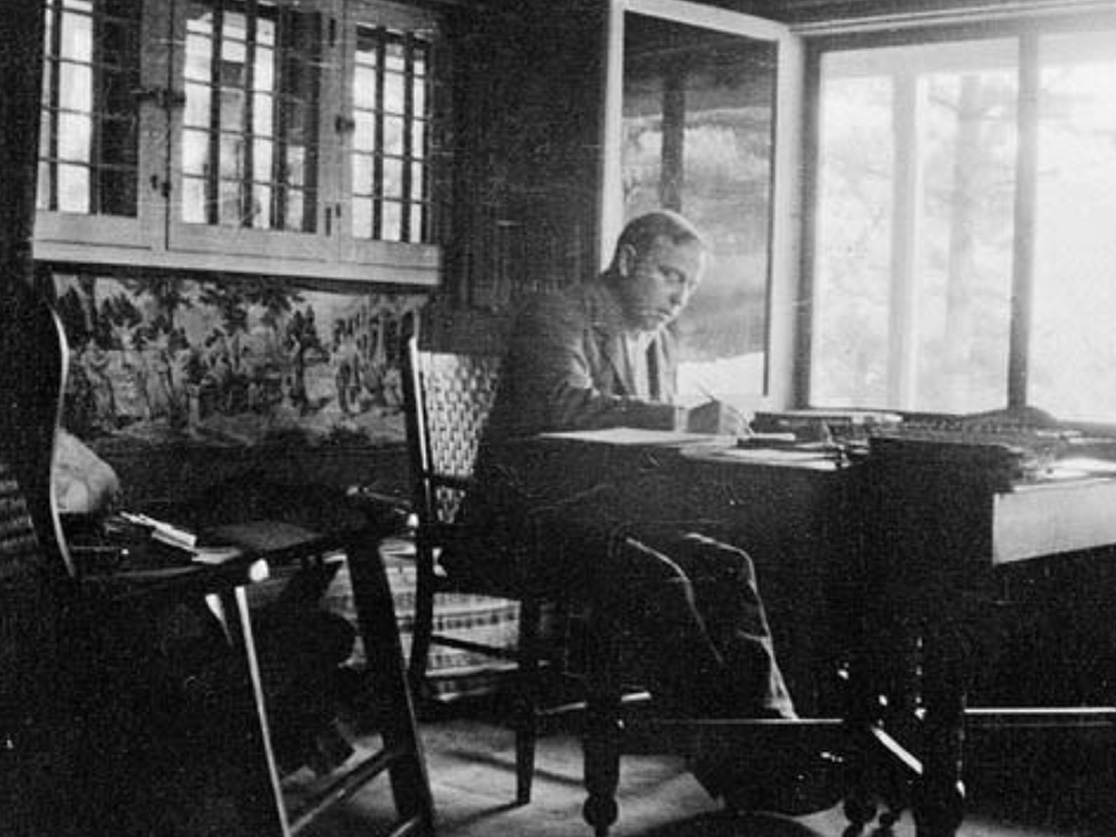
• Writing the book Industry and Humanity, Library and Archives Canada / C-003176, public domain
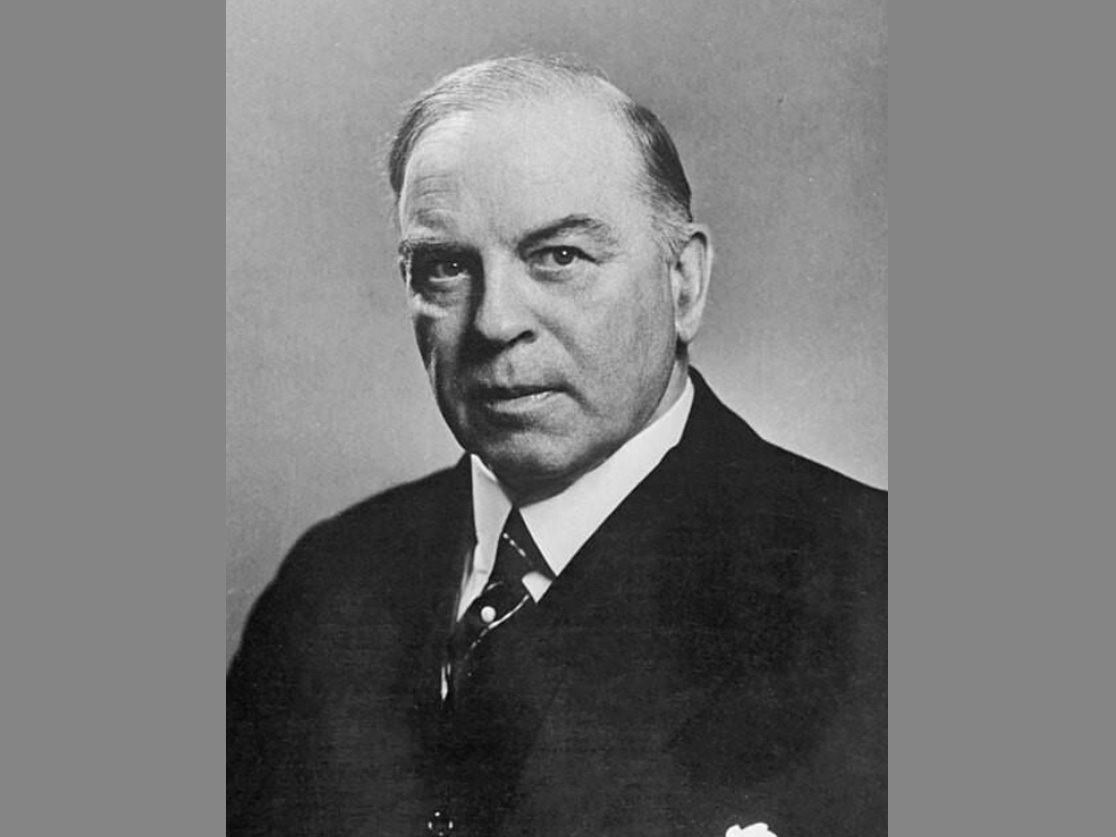
• Headshot - Yousuf Karsh (1908–2002), public domain


