

1894–1930
Mount Pleasant Cemetery
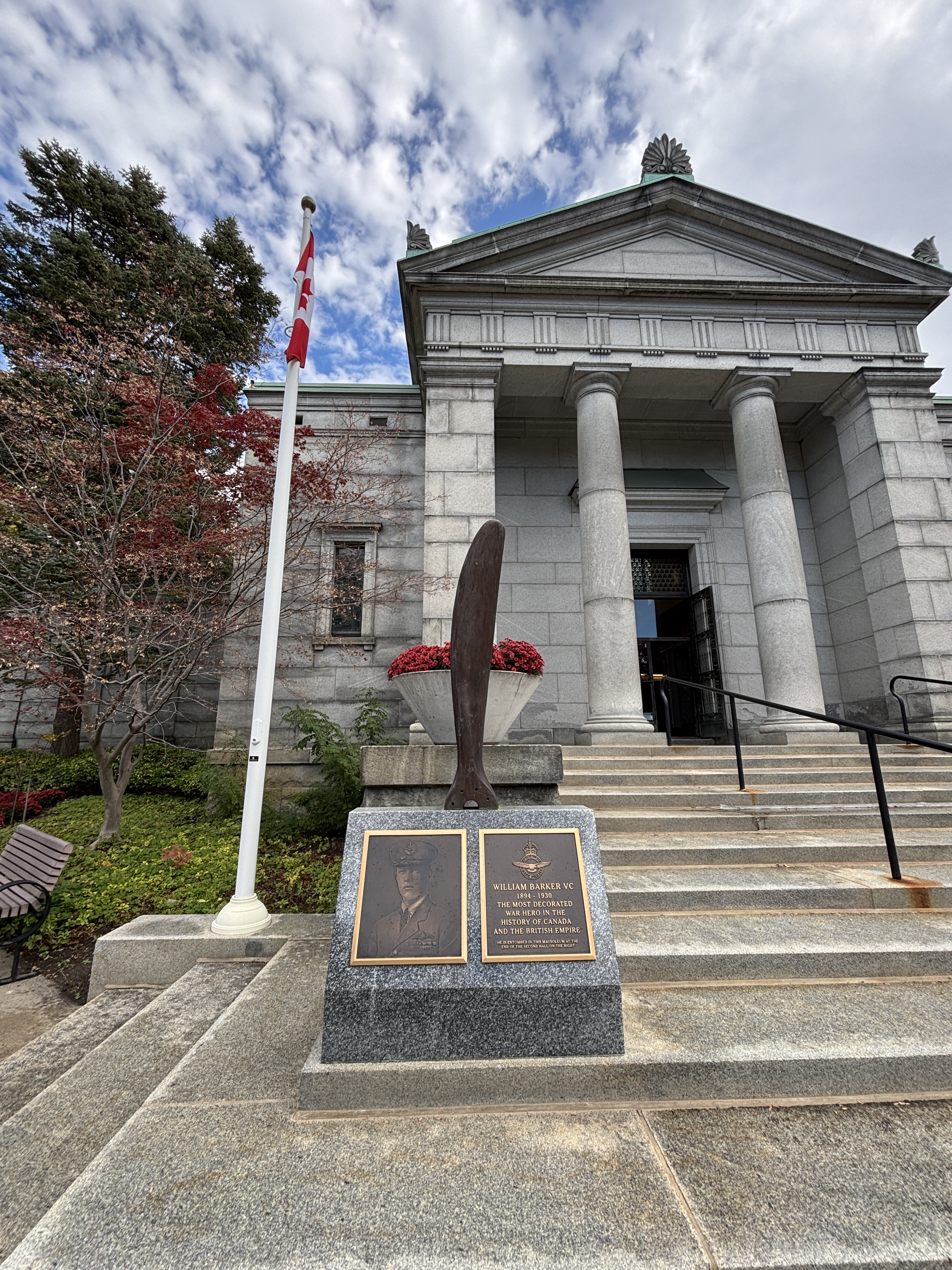
Mausoleum Room B Crypt B
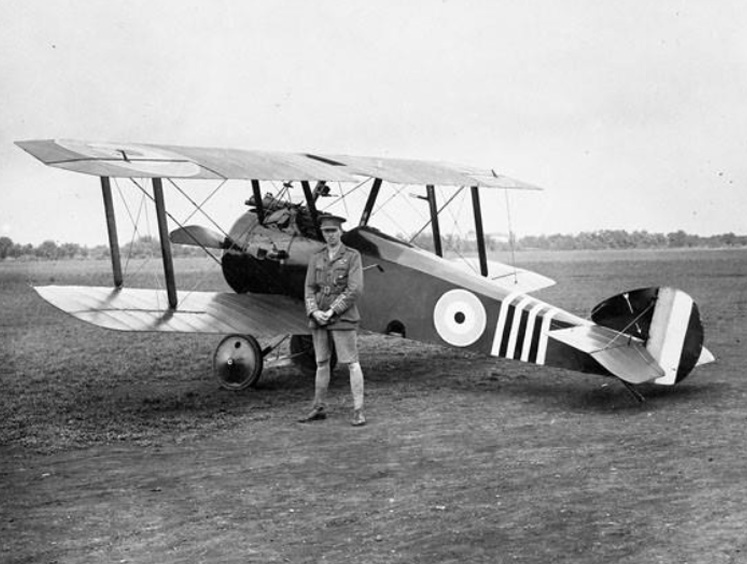
In the halls of the Mount Pleasant Cemetery Mausoleum lie the remains of Colonel William George Barker, one of Canada’s most celebrated war heroes. Born in Dauphin, Manitoba in 1894, Barker rose to fame during World War I as a daring pilot whose skill and courage became legendary. Flying fragile biplanes through perilous skies, Barker destroyed 50 enemy aircraft, making him one of Canada’s highest-scoring ace pilots.
His bravery earned him an array of honours, including the Distinguished Service Order, the Military Cross and Bars, and the Victoria Cross – the most coveted award of all. Barker’s final combat in October 1918, where he single-handedly fought against multiple enemy planes despite severe injuries, remains one of the most remarkable dogfights in aviation history.
Barker’s love for aviation never waned after the war. He threw himself into civil aviation with the same daring that defined his combat years, founding air companies, leading Canada’s first formation flying display at the Canadian National Exhibition, and performing innovative international airmail and commercial cargo flights. Though his ventures faced financial setbacks, Barker continued to innovate as a senior officer in the Canadian Air Force, eventually serving in a senior leadership role within the early Royal Canadian Air Force. His relentless pursuit of progress in the skies reflected a lifelong devotion to flight.
In 1927, he was appointed the first president of the Toronto Maple Leafs by the team’s owner, Conn Smythe. It was largely a symbolic gesture intended to raise the profile of the struggling team, hoping to benefit from Barker’s fame as Canada’s most decorated war hero.
Sadly, tragedy struck on March 12, 1930, when a Fairchild biplane he was testing crashed at Ottawa Airport. His funeral on March 15 was a solemn yet spectacular tribute: six aircraft from the Toronto Flying Club soared over his gravesite, releasing thousands of rose petals in honour of their fallen comrade. It was one of the largest public funerals Toronto had seen at the time, with an honour guard of 2,000 soldiers and a procession stretching a mile and a half. In 1931, Barker Field, a small airstrip in Toronto, was named to further commemorate his legacy.
Every year on November 11th, Mount Pleasant Cemetery partners with the RCAF to honour William Barker at the foot of the Mausoleum where he rests. He continues to endure as a symbol of courage and sacrifice, a man who conquered the skies and gave everything for his country.
Sources:
• Wikipedia – William George Barker
• The Canadian Encyclopedia – William George Barker
• Mount Pleasant Group – William Barker Story Archive
Photo: Public domain


