
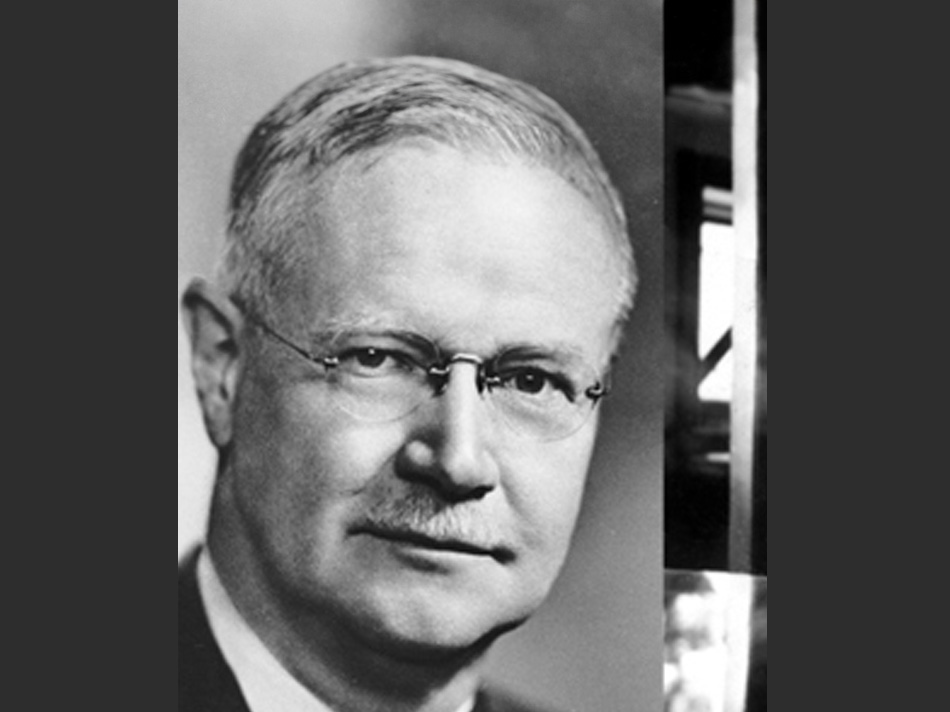
1893–1949
Mount Pleasant Cemetery
Section 29 Plot 213
Frederick F. Tisdall was one of Canada’s most influential pediatricians. After serving with the Canadian Army Medical Corps during World War I, Tisdall pursued advanced pediatric research at the Harriet Lane Home of Johns Hopkins Hospital in Baltimore in 1920–21. In the winter of 1921, he joined the Hospital for Sick Children (now SickKids) in Toronto, where his groundbreaking work would change infant nutrition forever.
By 1929, Tisdall was appointed Director of the Nutritional Research Laboratories at the Hospital for Sick Children. His mission was clear: combat childhood malnutrition which was known to cause debilitating diseases like rickets. Under his leadership, the hospital became a hub for nutritional innovation during a time when homemade infant formulas often lacked essential vitamins and minerals.
In 1930, working alongside Drs. Alan Brown and Theodore Drake, Tisdall co-developed Pablum, a fortified infant cereal designed to prevent rickets by ensuring adequate Vitamin D intake. Made from wheat, oat and corn flours and enriched with vitamins and minerals, Pablum was easy to digest and quickly became a staple for infants across North America. Its success not only improved or even saved countless lives but also generated royalties that funded pediatric research and helped finance the new SickKids hospital building on University Avenue, which opened in 1951.
Tisdall also played a role in creating Sun Wheat Biscuits, another nutritional innovation aimed at improving children’s nutritional health during the Great Depression.
During World War II, Tisdall advised the Royal Canadian Air Force on nutrition and helped design food packages for the Red Cross to send to prisoners of war. For these contributions, he was awarded the Order of the British Empire.
Despite his achievements, Tisdall’s legacy is marred by his involvement in unethical nutritional experiments on Indigenous children in residential schools and remote communities during the 1940s. These studies withheld essential vitamins from malnourished children without consent, causing harms that far outweighed any potential benefits. Today, these actions are recognized as serious violations of medical ethics.
Dr. Frederick Tisdall died in April 1949, just one day after the cornerstone was laid for the new SickKids hospital, a facility his work helped make possible. His contributions to pediatric nutrition remain significant, though tempered by the ethical failures of his later research.
Sources:
• McGill Archival Collections – Frederick Tisdall
• Jamie Bradburn – “Toronto Invents Pablum”
• SickKids – Medical Research History in Nutrition
Photo: Hospital for Sick Children


