
1815–1897
Toronto Necropolis
Plot T-15-11th Range
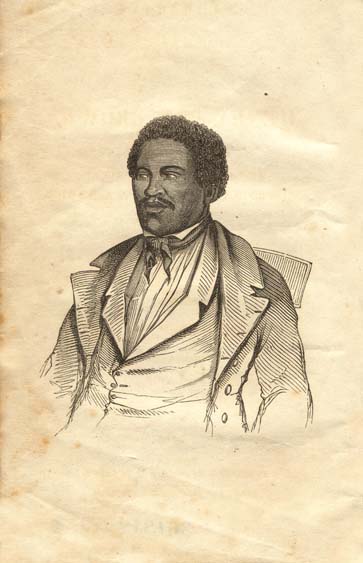
Henry “Box” Brown’s life offers one of the most extraordinary narratives of courage and creativity in 19th century North America. Born in Louisa County, Virginia, Brown spent his early years enslaved, working in a Richmond tobacco factory. His world shattered in 1848 when his wife Nancy and their children were sold to a distant plantation. “I now began to get weary of my bonds; and earnestly panted after liberty,” he later wrote in his autobiography Narrative of the Life of Henry Box Brown (1849).
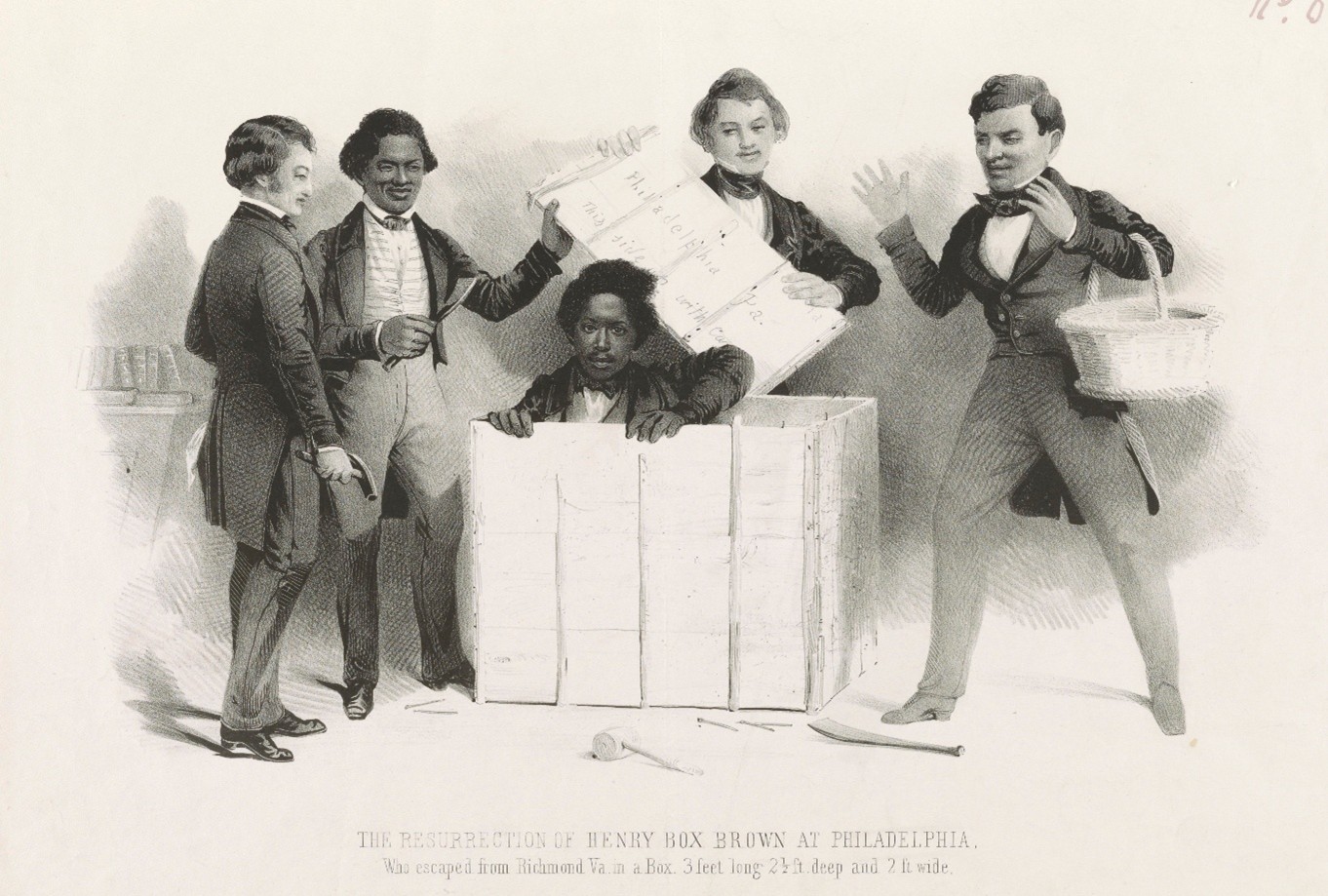
Determined to escape, Brown devised a plan as audacious as it was dangerous: he would ship himself to freedom. On March 23, 1849, with the help of allies, he climbed into a wooden crate measuring roughly three feet by two feet, labelled “This Side Up.” For 27 harrowing hours, he endured darkness, hunger and even periods upside down as the box travelled by wagon, train and steamboat from Richmond to Philadelphia. When abolitionists opened the crate, Brown stepped out and greeted them with the words, “How do you do, gentlemen?” before breaking into a hymn of thanksgiving. His daring escape made headlines and earned him the name Henry “Box” Brown, a living symbol of resistance to slavery.
Brown quickly became a sensation on the abolitionist lecture circuit, sharing his story across the northern United States. But the Fugitive Slave Act of 1850 made life perilous for freedom seekers, forcing Brown to relocate to England. There, he reinvented himself as a performer, blending anti-slavery advocacy with theatrical flair. His shows featured magic, mesmerism and panoramic illustrations of the horrors of slavery. Advertisements hailed him as “The Great African Magician” and “King of All Mesmerists.” Through spectacle and storytelling, Brown challenged stereotypes and kept the realities of bondage in public view.
After 25 years in Britain, Brown returned to North America in 1875 with his second wife, Jane Floyd, and their children. By the mid-1880s, he had settled in Toronto’s Corktown neighbourhood, part of a vibrant Black community shaped by the Underground Railroad. He continued performing across Ontario, with his last recorded show in Brantford in 1889. His acts combined entertainment with education, ensuring that the memory of slavery, and the triumph of freedom, were not forgotten.
Henry Box Brown died in Toronto on June 15, 1897, at the age of 81 or 82. Today, his story resonates as a testament to resilience and ingenuity. A laneway in Corktown now bears his name, and scholars and artists continue to explore his legacy as an abolitionist and pathbreaking Black performance artist.
Sources:
• Encyclopedia Britannica – Henry “Box” Brown
• World History Encyclopedia – Henry “Box” Brown
• Wikipedia – Henry “Box” Brown
Photos:
• Portrait - Charles Stearns, Public domain, via Wikimedia Commons
• The Resurrection of Henry Box Brown at Philadelphia, a lithograph by Samuel Rowse (published in 1850), Public domain, via Wikimedia Commons


