
Toronto Necropolis
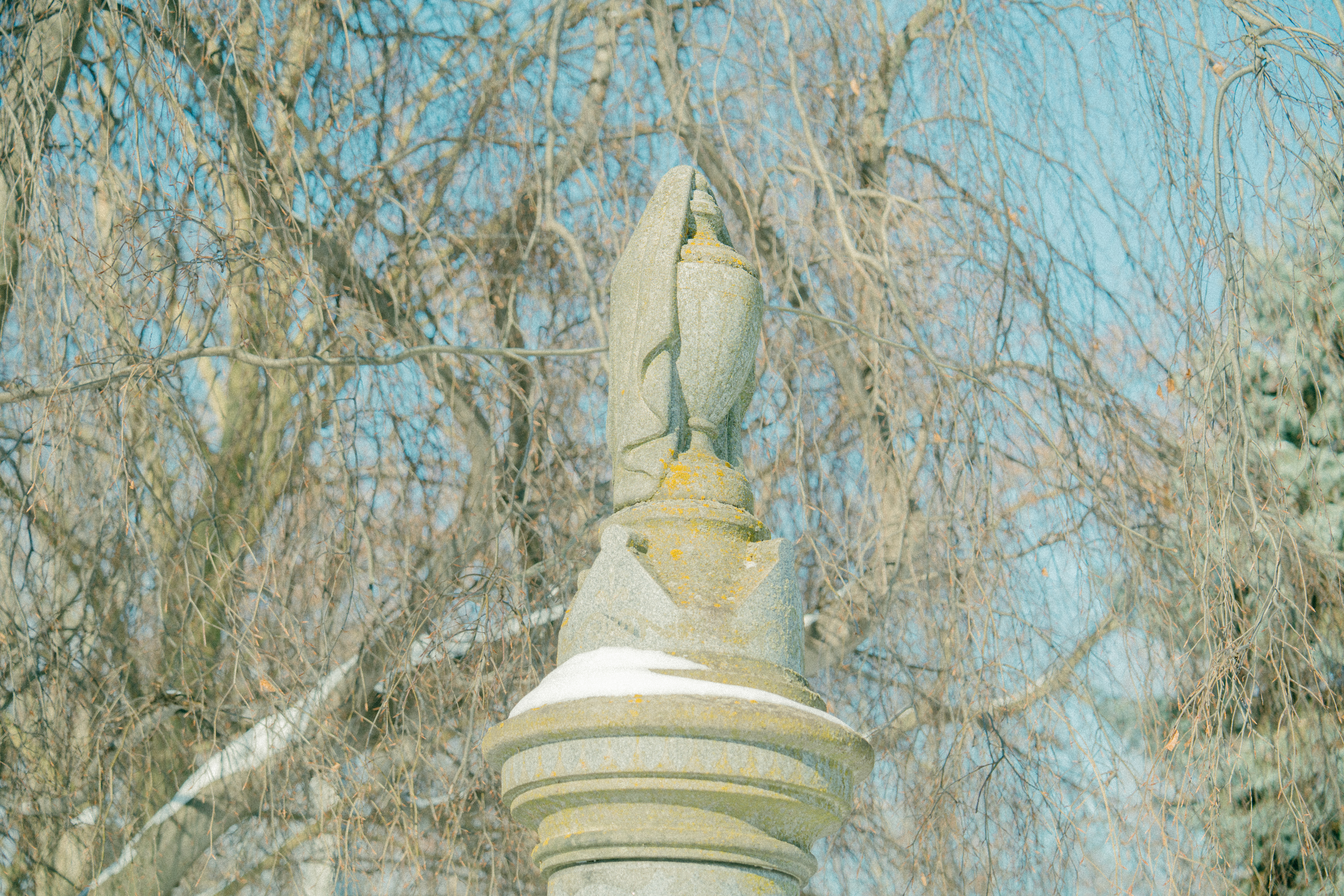
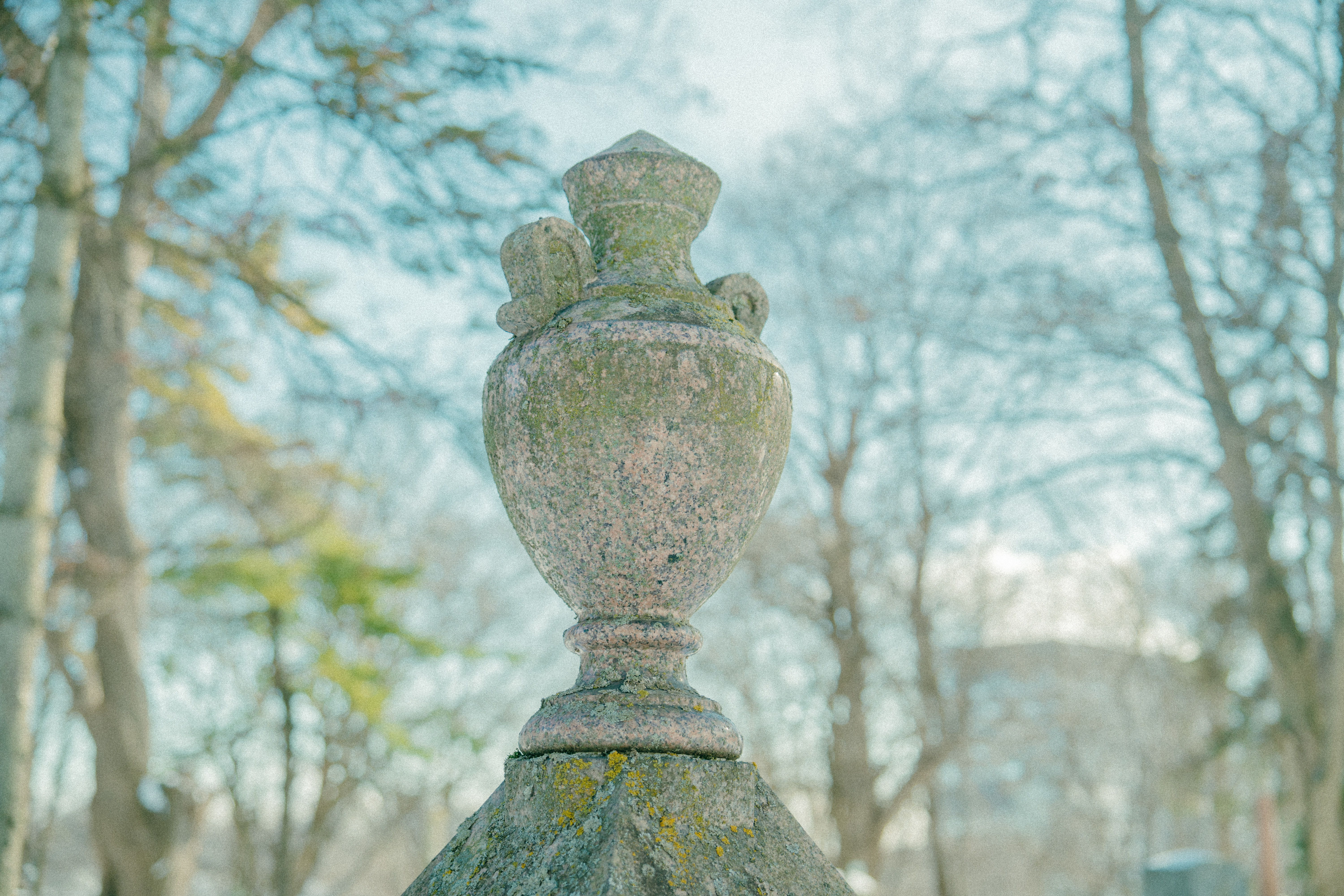
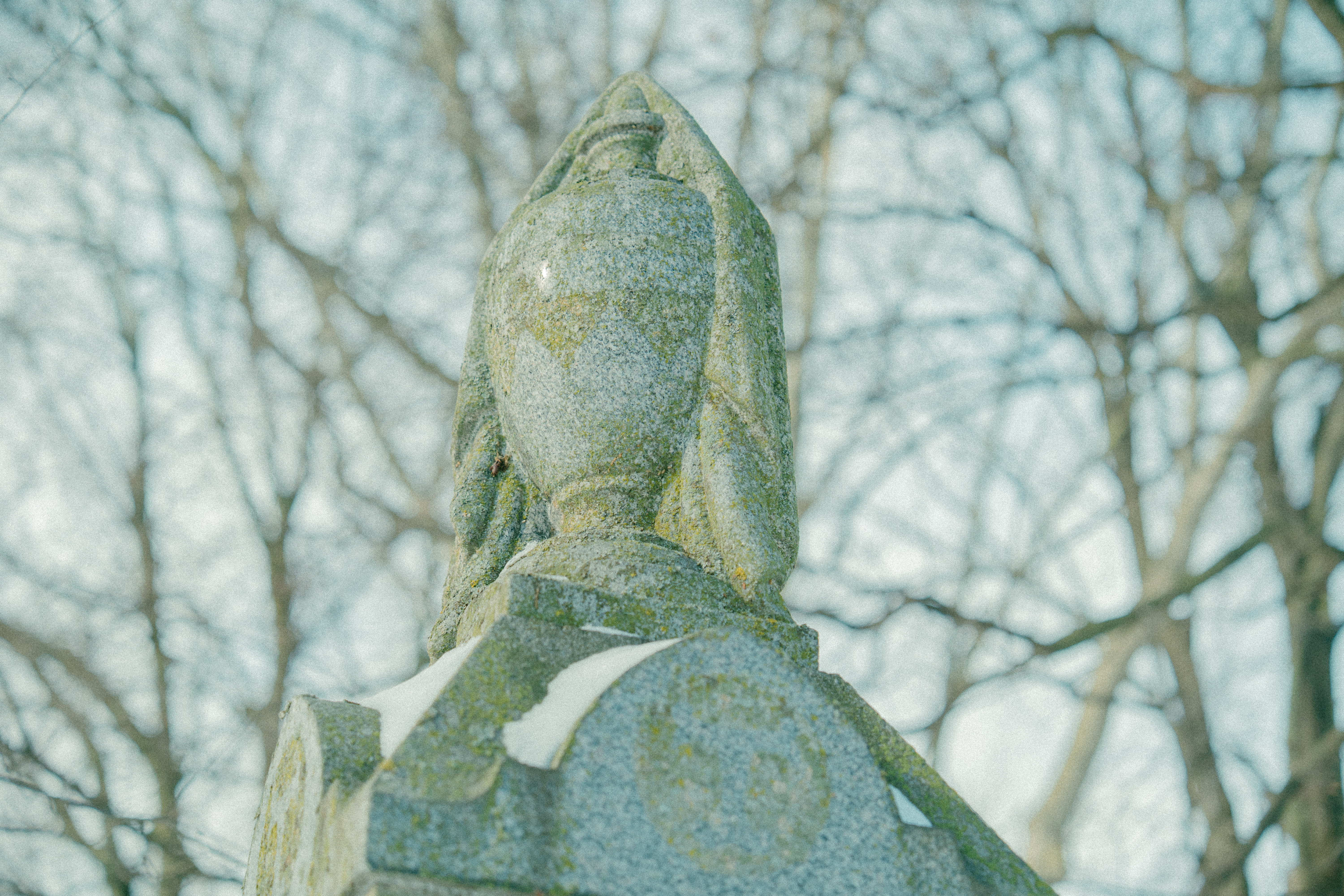
Walk through the historic grounds of Toronto’s Victorian-era cemeteries and you’ll notice a recurring motif: urns draped with flowing cloth. These solemn sculptures are more than decorative; they are rich with meaning, rooted in 19th-century mourning traditions.
The urn, a classical symbol of death and remembrance, represents the soul as a vessel. Even when cremation was rare in Victorian Toronto, urns appeared on monuments as an artistic emblem of mortality and memory. Draped fabric over these urns deepens the symbolism; the folds suggest a veil between worlds, marking the threshold between life and death. It is a visual metaphor for the soul’s passage from the earthly realm to the eternal, and for the grief left behind by the living.
This draping also recalls the funeral pall – the ceremonial cloth once used to cover coffins, linking the monument to the rituals of earthly departure. In Victorian aesthetics, such imagery conveyed reverence and solemnity, transforming stone into a language of mourning.
Together, the urn and shroud form a powerful allegory: the body as a vessel, the cloth as a parting veil, which taken together serve as a tribute to enduring memory. These monuments invite reflection, not only on loss but also the artistry of remembrance. As you explore the grounds, look for other symbols: roses for love, lambs for innocence and clasped hands for eternal devotion. Each carving whispers a story waiting to be discovered.
Source: Mount Pleasant Group
Photos: Courtesy of Colin Clark


