
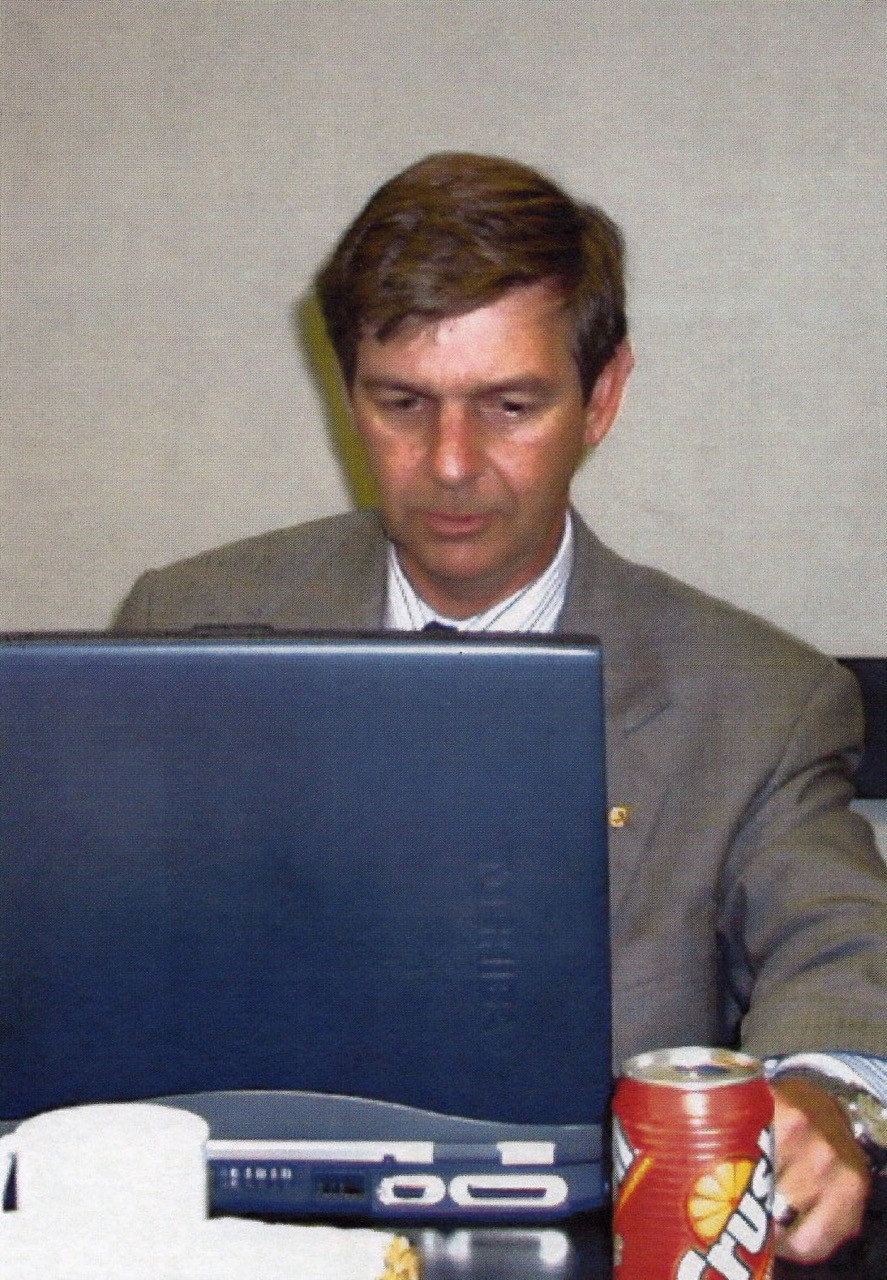
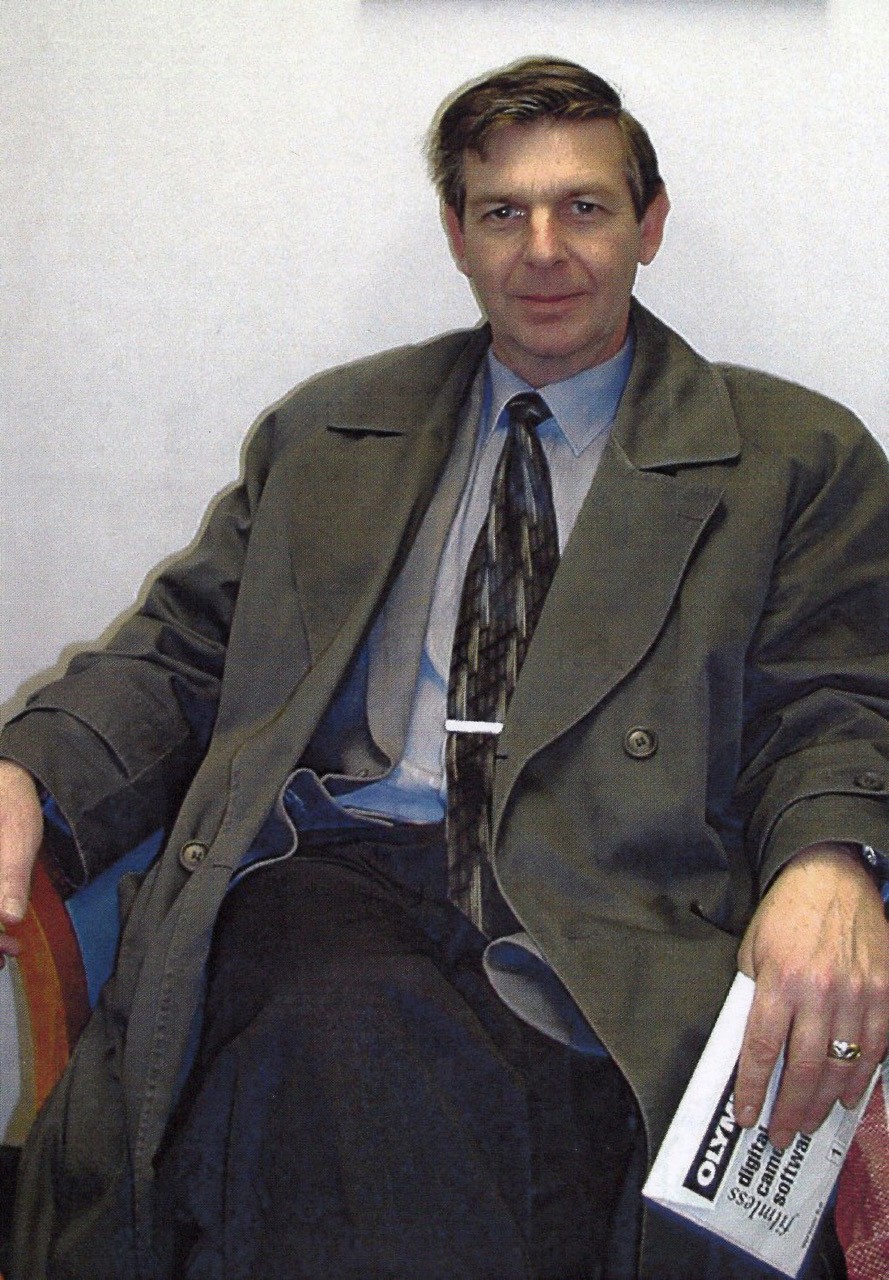
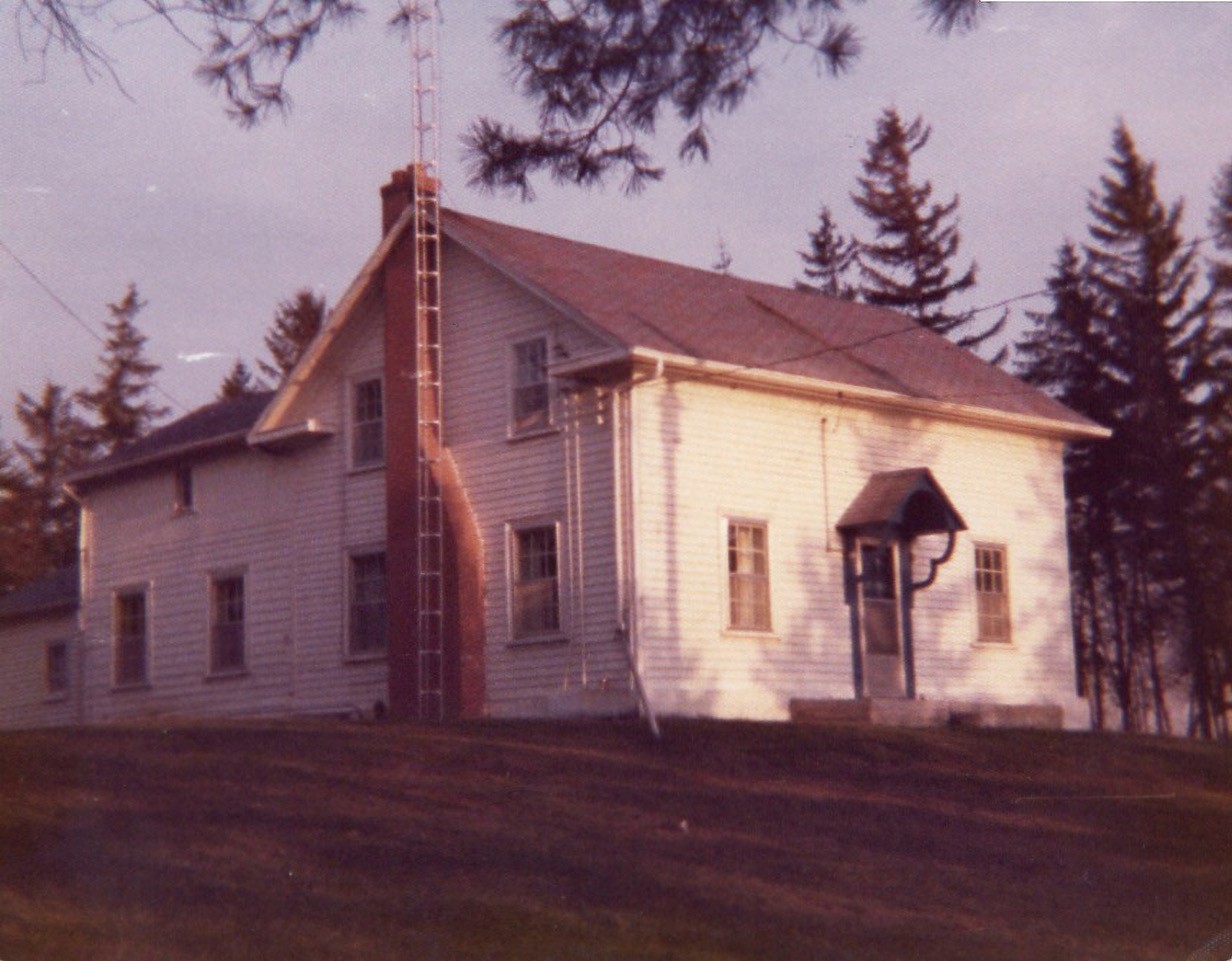


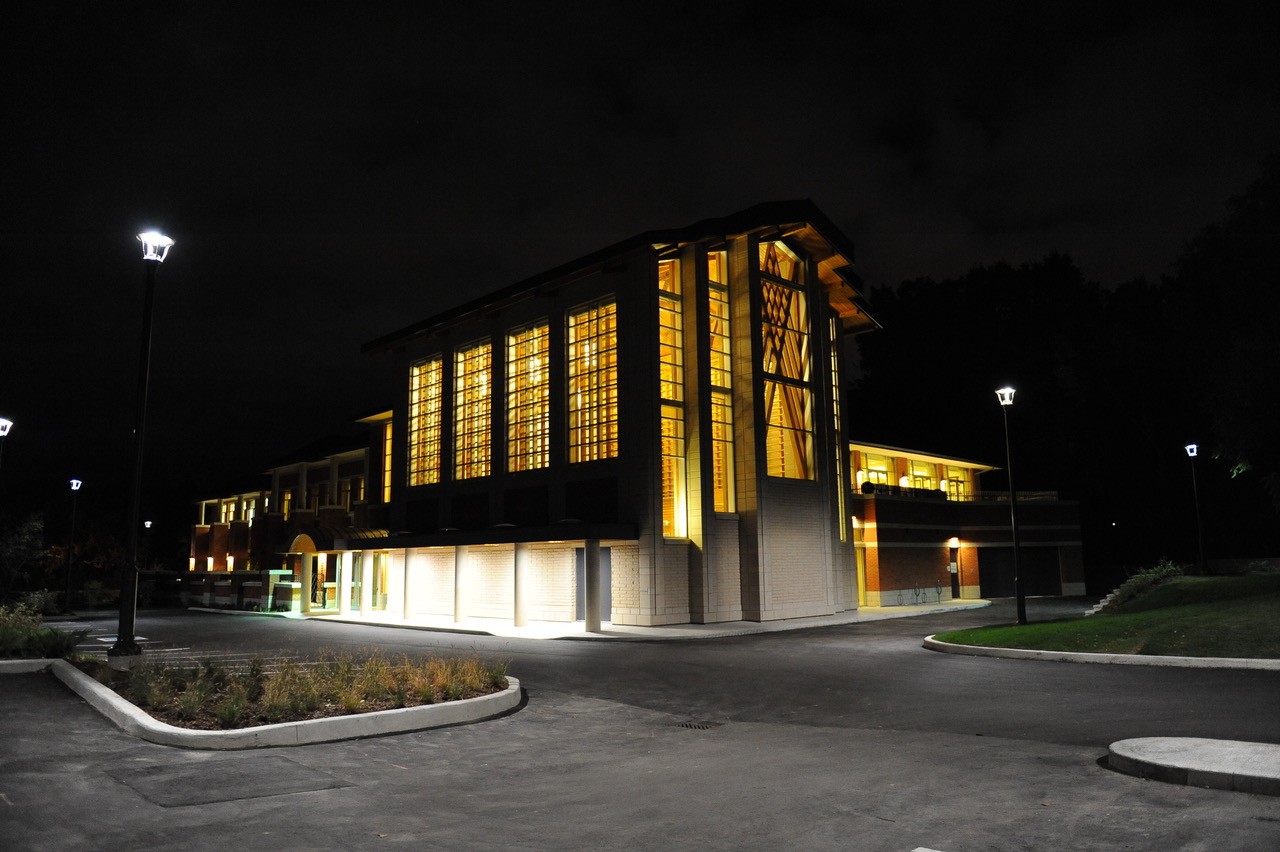

As Mount Pleasant Group (MPG) marks 200 years in 2026, we’re sharing stories that reflect the families, lives and histories connected to our cemeteries through the 200 Stories Project. As part of this initiative, we welcome people to reflect on their personal connections to our history. Recently, we heard from Ian Young, a former employee who spent his entire 46‑year career with MPG.
For more than four decades, Ian Young knew MPG’s cemeteries from the ground up, sometimes quite literally.
Long before his career formally began, Ian’s connection to MPG was already rooted in the land. His father worked as a foreman at Prospect Cemetery, and Ian spent his teenage summers there in the late 1960s, tending flower beds, cutting grass and learning the rhythms of a working cemetery. He also grew up just one street away, riding his bike through the grounds with friends.
In March 1969, after finishing school and unsure of his long-term plans, Ian was offered a full-time position. He accepted, intending to take a year to figure things out.
“The rest is history,” said Ian, as that year turned into a career spanning nearly 47 years.
Ian’s early years involved hands-on work: burial setups, setting markers, digging foundations and later operating equipment as new tools were introduced. His aptitude and work ethic were quickly recognized. By 1972, he was promoted to foreman at Prospect, while his father served as foreman on the other side of the cemetery.
That combination of deep site knowledge, fairness and a pragmatic approach followed Ian wherever he worked. He spent 14 years overseeing the operations at Beechwood Cemetery, and during the rest of his career, spent time as Property Manager at each of York, Toronto Necropolis, Elgin Mills, Meadowvale, Mount Pleasant and Pine Hills Cemeteries. Often, he was asked to step in during challenging times, trusted to steady operations, resolve issues and move things forward.
“I was always honest and fair,” Ian said.
Behind that plain-spoken manner was a strong sense of responsibility to the land, to staff and especially to the families the cemeteries serve. Ian never lost sight of the human side of the work. He recalls supporting families who had travelled long distances, and finding appropriate ways to honour special requests guided by compassion, respect and a deep understanding of what mattered most during a time of loss.
“You’re never going to take their pain away, but you do the best you can,” said Ian. “It was important to try to make the impossible happen or to accommodate a wish to help people through a difficult time in some small way.”
Ian also played a significant role in shaping how MPG’s properties are maintained. As a long-standing member and chair of the operational research committee, he helped introduce safer, more efficient tools and practices across sites, from new backhoe attachments to improved grave preparation methods. Later, he helped develop best-practice training materials, including step-by-step guides, videos and quizzes that supported consistent standards across properties.
As technology evolved, so did the work. Ian witnessed and helped guide the transition from hand-dug foundations to mechanized equipment, from concrete grave markers to aluminum identifiers, and from large maintenance crews to smaller teams supported by modern tools. Efficiency improved, but his respect for the skill and care behind the work never wavered.
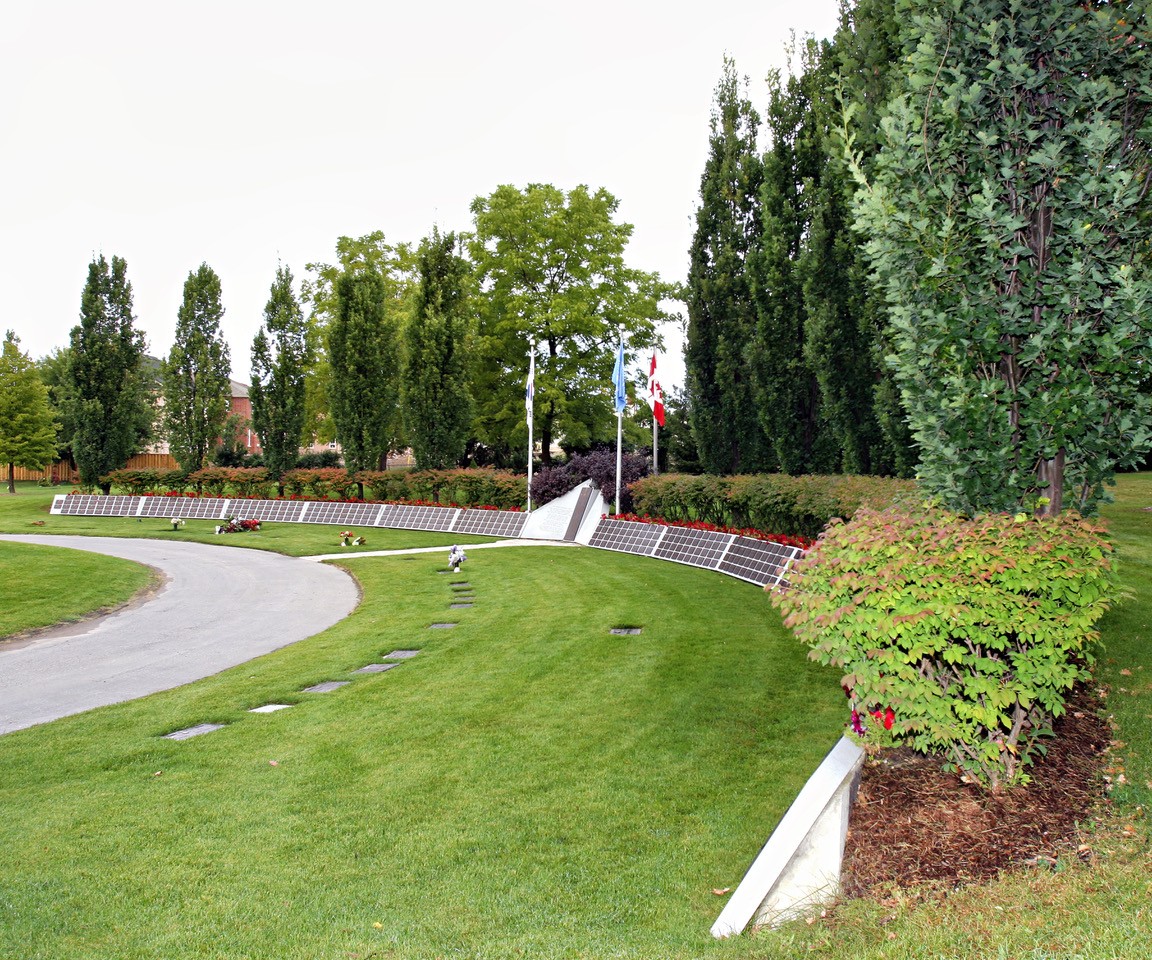
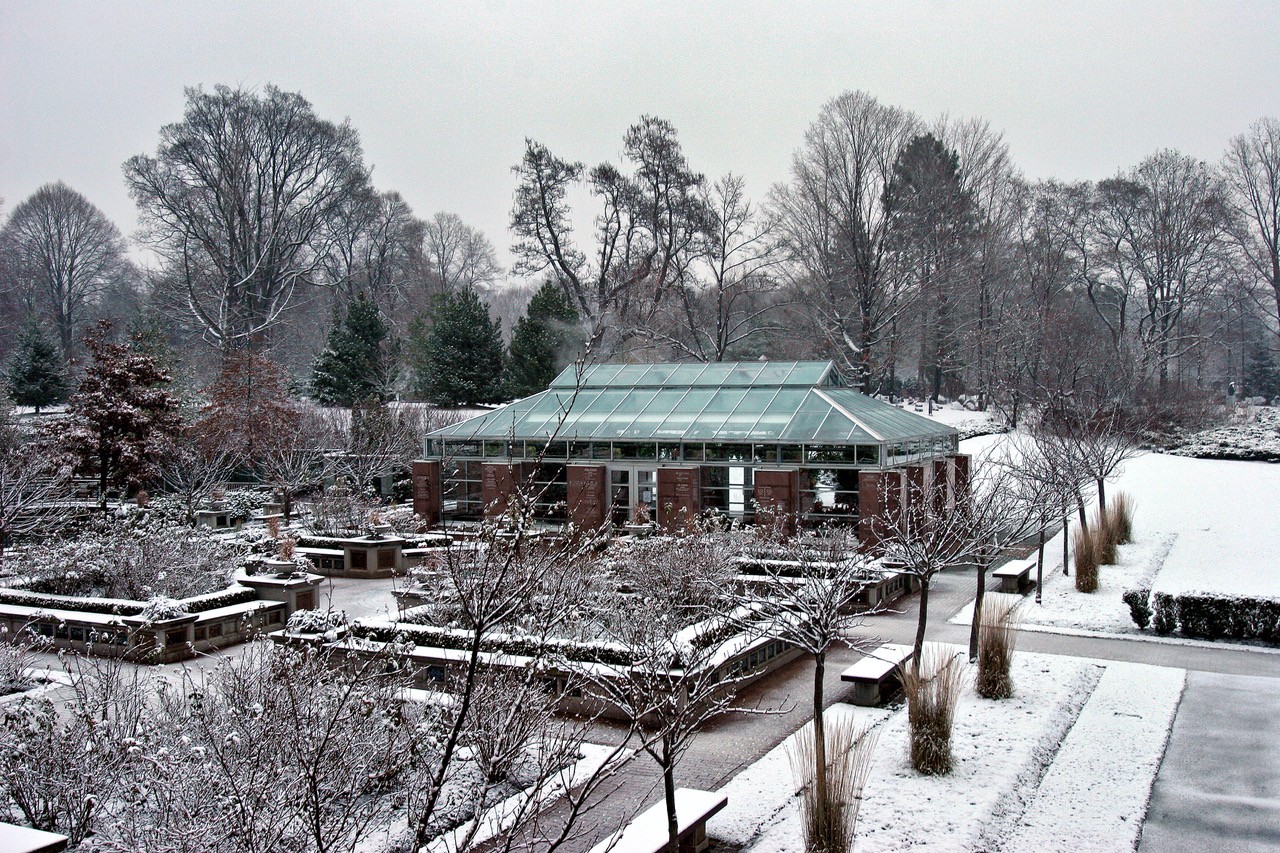
There was another way Ian recorded the life of MPG’s cemeteries: through photography.
What began as a practical addition to internal site reports gradually became something more. Photography, a family passion, gave Ian a way to document landscapes, seasons and moments that might otherwise pass by unnoticed. During his later years, he photographed every MPG site across all four seasons, creating a visual record of places in constant but often subtle change.
At the time, he didn’t set out to create history, but in hindsight, that’s exactly what he did.
When Ian retired in 2016, he left behind more than operational improvements or technical knowledge. He left a legacy of quiet stewardship – a deep understanding of land, people and purpose shaped by decades of showing up early, staying late and doing the work carefully.
What makes him most proud today is not any single achievement, but the people.
“The folks here are very dedicated to help guide people through a difficult time and to help celebrate a life,” said Ian. “Everyone puts their heart and soul into it and they’re willing to go the distance. There aren’t many companies today that will do that.”
For someone who never planned to stay, Ian helped shape MPG in ways that continue to be felt, often behind the scenes, but always rooted in care.


