
Every grave marker represents a life story. Some tell of everyday lives, while others reveal journeys that span continents, military service and connections to significant moments in history.
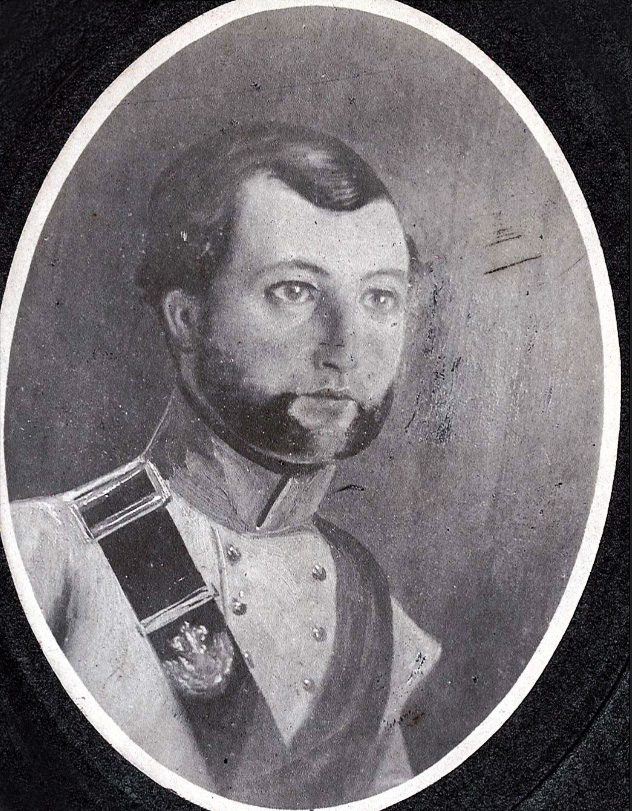
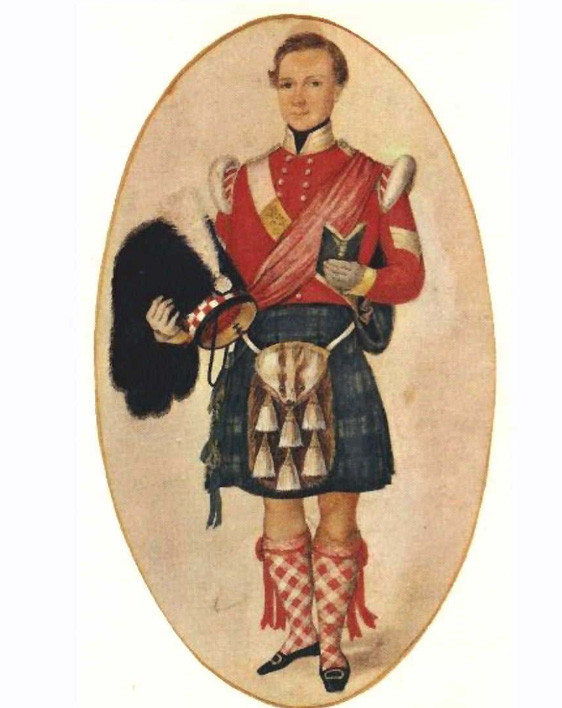
Andrew Clark is one such story. A member of the 93rd Highlanders, he served in British North America, stood guard during Queen Victoria's visits to Scotland and lived within Edinburgh Castle before eventually settling in Toronto. Today, he is buried at Toronto Necropolis.
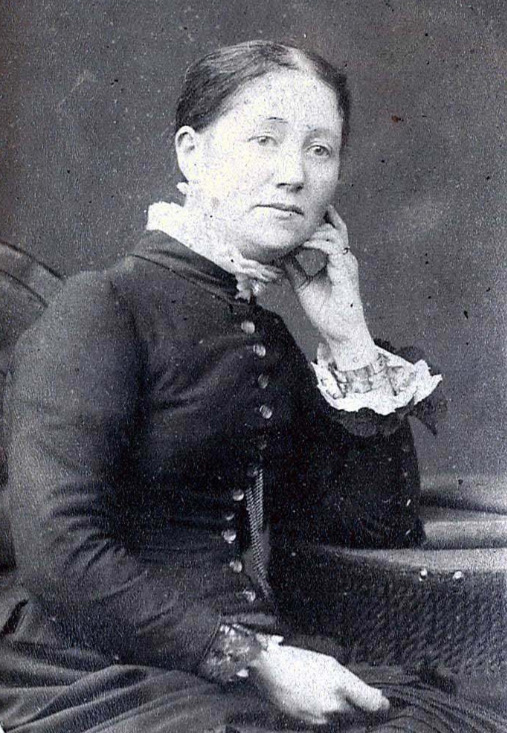
As part of Mount Pleasant Group's 200 Stories Project, descendants Susan Matthews and Susan Humphrey have shared the story of their ancestor, helping us better understand the life behind the name on the monument.
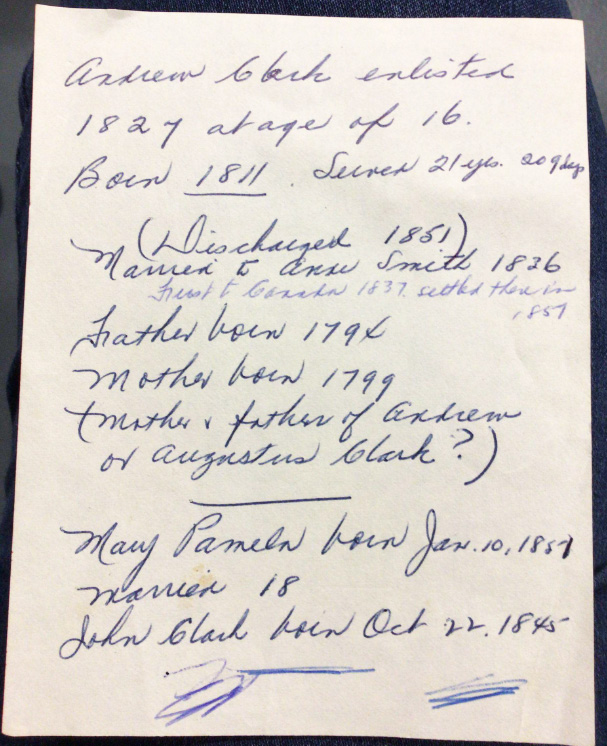
Andrew Clark's journey began in Scotland, where he was born in 1812 near Edinburgh. As a teenager, he was determined to become a soldier. He enlisted in the 93rd Highlanders at just 15 years old, but because he was underage, his parents brought him home. Undeterred, he ran away and enlisted again. This time, his parents allowed him to stay.
The decision would shape the rest of his life. Over the next two decades, Andrew served with the regiment in Ireland, British North America and Scotland, rising through the ranks to become a Sergeant in 1843.
In January 1838, the 93rd Highlanders sailed to British North America during the Patriot War. Andrew would remain stationed in North America for a decade, helping to establish the connection to Canada that would eventually lead him and his family to Toronto.
Military service also brought Andrew's family to some of Scotland's most historic locations. The regiment was selected to serve as the Guard of Honour for Queen Victoria during her visits to Stirling Castle and the Palace of Holyroodhouse after returning from North America in 1848.
During this period, Andrew and his wife, Ann Smith, welcomed several children. Their daughter Isabella was born at Stirling Castle in September 1848 while Queen Victoria was in residence. Another daughter, Mary Pamela, was born at Edinburgh Castle in January 1851. Census records from that year show the family living within the castle walls.
After more than 21 years of military service, Andrew was discharged from the British Army in July 1851. He and Ann chose to make their home in Toronto, where her parents had settled following retirement.
The move marked the beginning of a new chapter. The family continued to grow with the births of Andrew Clark Jr. in 1854 and Florence Nightingale Clark in 1857. Having spent much of his life serving abroad, Andrew now looked to establish roots in a young and rapidly growing city.
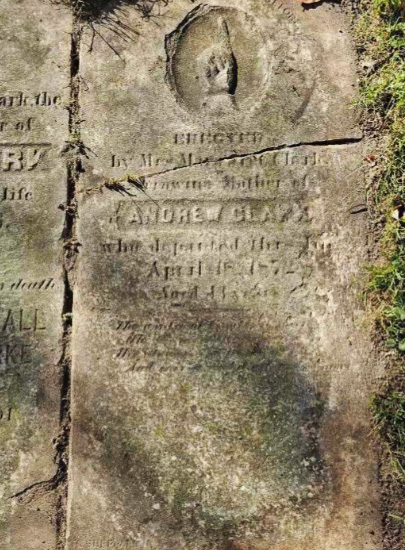
Sadly, Andrew's time in Toronto was brief. Later that same year, he died from an illness described at the time as inflammation of the lungs. He was 45 years old.
Today, Andrew rests at Toronto Necropolis in Section D, Lot 90. He is buried alongside his wife, Ann; his father-in-law, William Smith, a fellow member of the 93rd Highlanders; and his mother-in-law Mary Ann Smith.
More than 165 years after his death, Andrew's monument stands as a reminder that every grave has a story behind it. Thanks to the research and family records preserved by his descendants, we can look beyond the name etched in stone and discover the remarkable journey of a young Scottish soldier whose life took him from the castles of Scotland to the growing city of Toronto.
Thanks to Susan Matthews (third great-granddaughter) and Susan Humphrey (second great-granddaughter) for help writing this story and for providing the photographs.


