
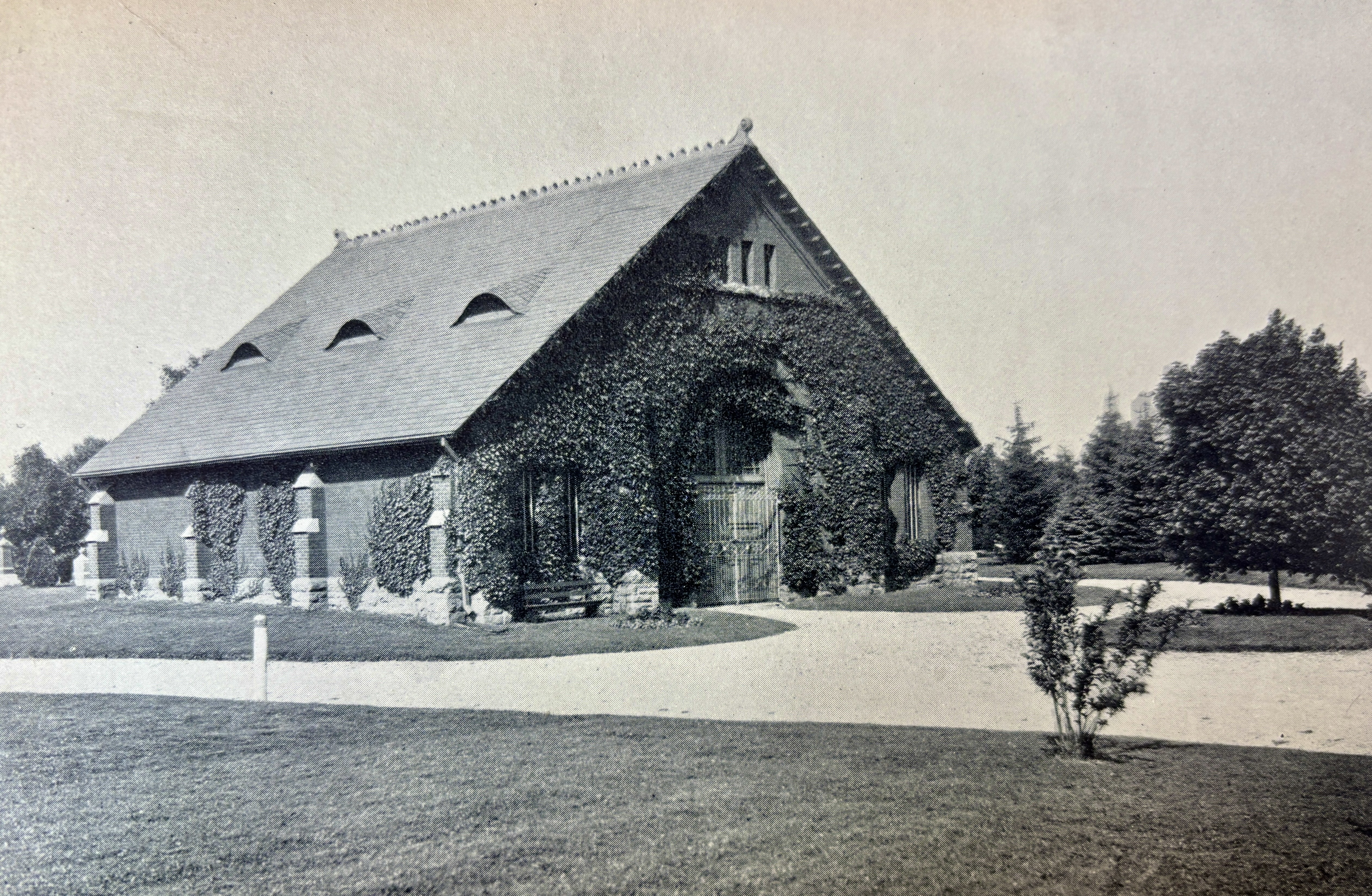
Prospect Cemetery
When Prospect Cemetery opened in 1890, Toronto’s west end was still a landscape of farms, brickyards and market gardens. The arrival of a modern garden-style cemetery marked a turning point for the area, but beneath the greenery and winding roads lay a challenge familiar to communities across Canada: winter burials.
During the late 19th and early 20th centuries, before the advent of mechanical excavation and refrigerated morgues, the frozen ground made it nearly impossible to dig graves from December through early spring. This was true across the country, and so many Canadian cemeteries relied on dead houses – small, sturdy buildings designed to shelter the dead until the earth thawed enough for burial.
Prospect Cemetery maintained its own receiving vault for this purpose. Modest in size and plainly functional, the building reflected the practical needs of Toronto’s working families. Immigrant communities living along St. Clair West, many of them labourers or recent arrivals from Europe, could not afford elaborate arrangements or long-distance transport. The dead house provided a dignified, respectful holding place during harsh winters or while relatives traveled from afar to attend funerals.
Inside, the structure offered cool, dry refuge. Wooden platforms or metal rollers supported the caskets, and a small record book tracked every arrival and departure. For some families, especially in the coldest months, the dead house became the first and last place they said goodbye. It was quiet, sheltered and solemn; a necessary pause before committal could take place outside in the burial grounds.
As Toronto grew and funeral practices modernized, the dead house at Prospect became less essential. Backhoes replaced hand-digging, and funeral homes provided climate-controlled facilities year-round. Eventually, the building was removed, leaving little trace of its existence. Yet its role in Prospect Cemetery’s early decades was vital. Before the city expanded, before infrastructure caught up with population and before winter could be reliably overcome by machines, the dead house ensured that every person, rich or poor, longtime resident or newcomer, was given care and dignity until their final resting place could receive them.
Source:
• Dead Houses of Ontario – Catalogue & Historical Overview
Photo courtesy of Mount Pleasant Group


