
1845–1925
Prospect Cemetery
Section 22 Lot 624
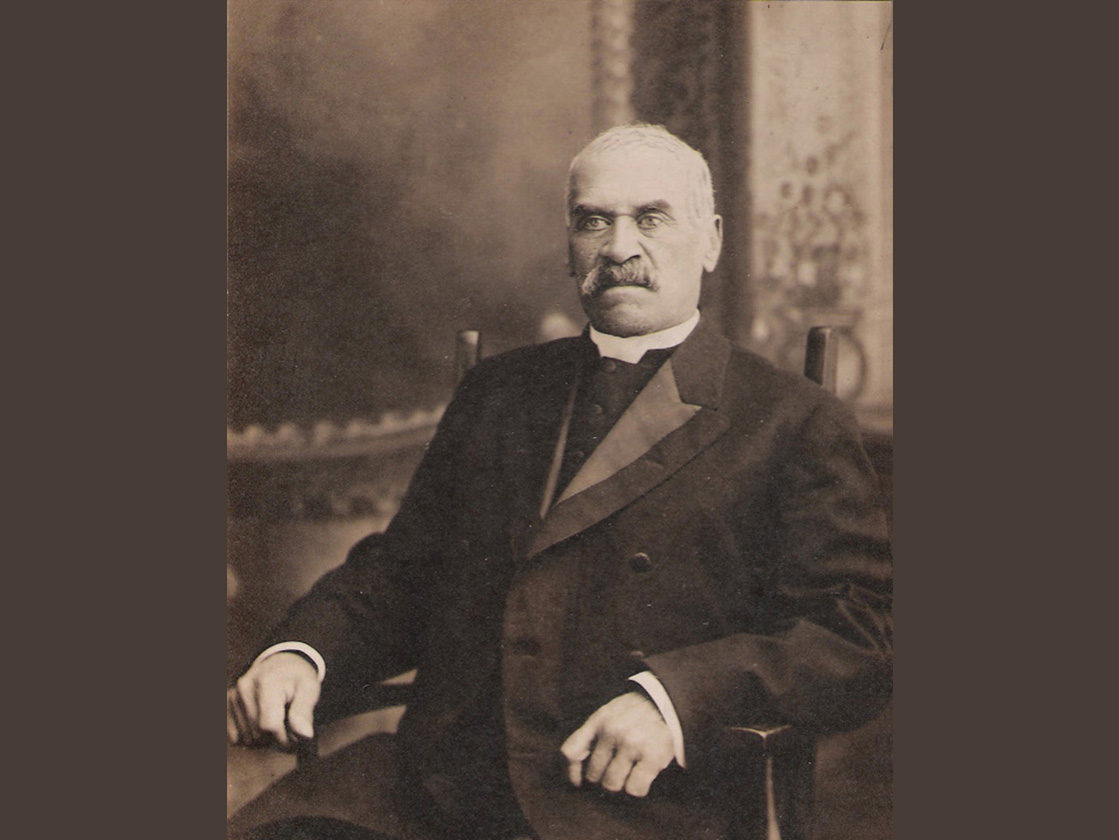
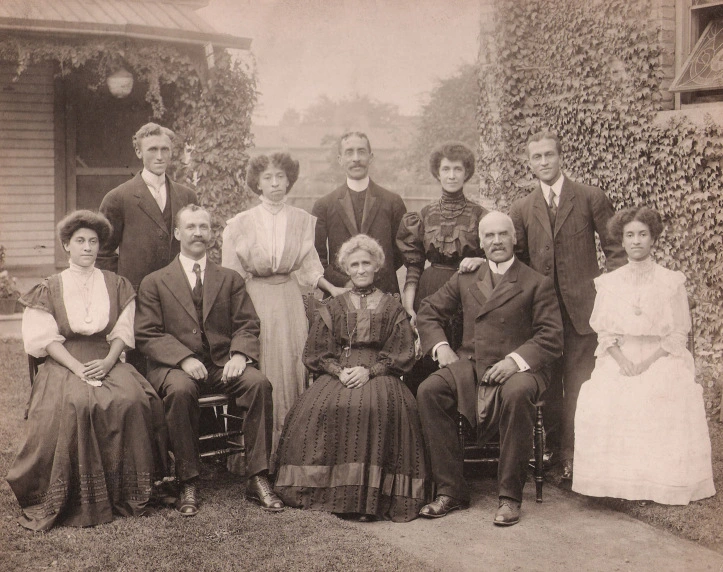
Richard Amos Ball was a pioneering minister in the British Methodist Episcopal Church (BMEC) and a powerful voice for freedom and faith in Canada. Born in St. Catharines, Ont., Ball was the son of Henry Ball, a fugitive slave who escaped to Canada via the Underground Railroad. This community of freedom seekers shaped Ball’s life and mission.
Ordained as a deacon in 1892, Ball served congregations in Windsor, London, Toronto and Winnipeg, advocating for education, social justice and community welfare. His leadership extended beyond the pulpit. He organized programs to support literacy, employment and food security, helping Black Canadians thrive during a time of profound change.
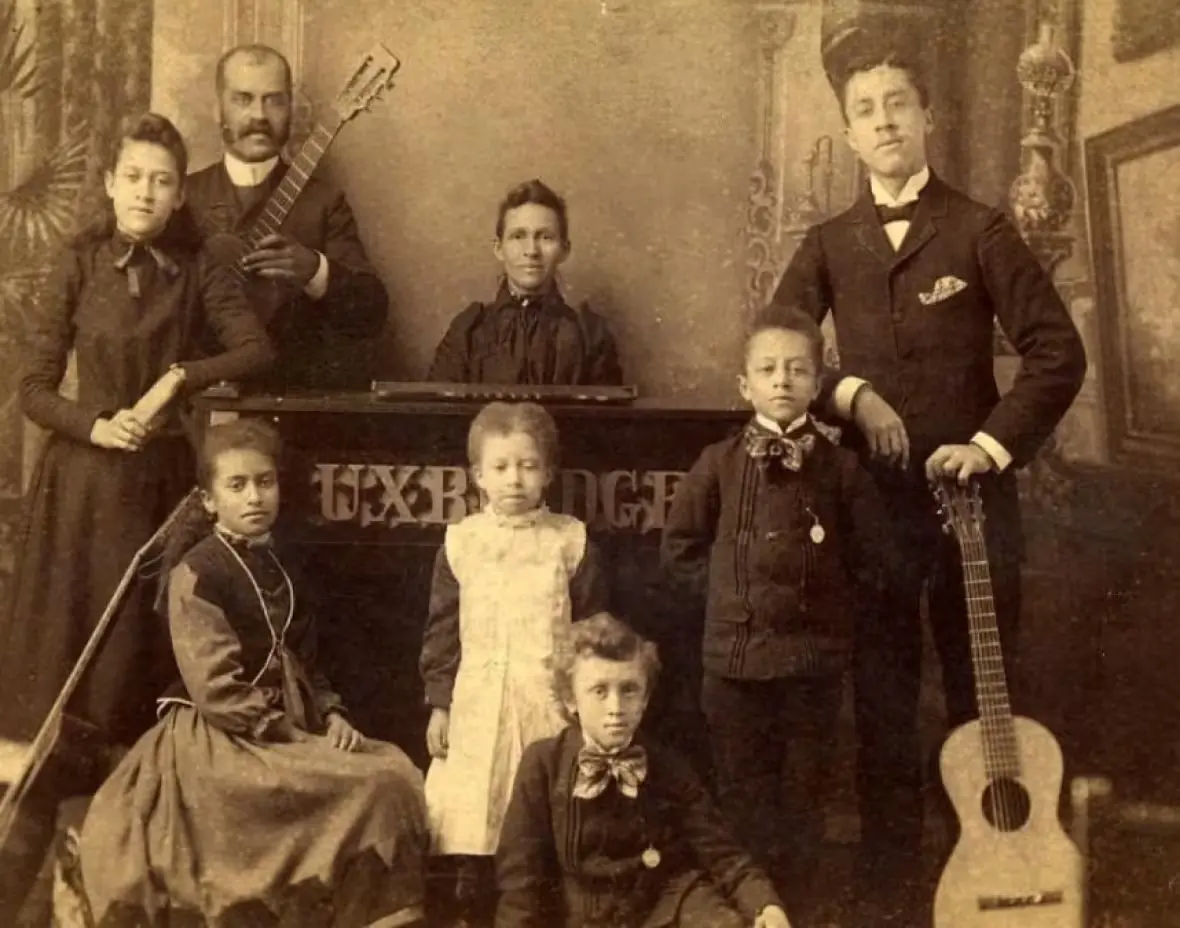
Ball’s cultural influence was equally remarkable. He founded and led the Ball Family Jubilee Singers – a gospel group that toured Canada and the United States for nearly 40 years. Through music, they spread messages of hope and strength, uplifting communities and preserving Black heritage. Their performances were celebrated nationwide, making them a symbol of faith and freedom.
Ball’s life was deeply connected to Harriet Tubman, one of history’s most iconic abolitionists. Tubman escaped slavery and led about 13 missions to rescue approximately 70 enslaved people through the Underground Railroad. After her escape, she settled in St. Catharines and worshipped at Salem Chapel – the same BMEC congregation where Ball grew up and later ministered. Both were allies in the struggle for equality, working toward similar goals of liberation, empowerment and dignity for Black communities. Ball honoured Tubman’s legacy by writing her obituary for Canadian newspapers, ensuring her story was preserved for future generations.
Richard Ball's story reminds us that Toronto’s rich cultural fabric was woven by those who fought for equality and justice. Today, we benefit from their legacy through vibrant communities, inclusive values and the preservation of Black history. Ball’s life and work continue to inspire efforts toward equity and representation, proving that faith, music and activism can transform society.
Sources:
• Wikipedia – Richard Amos Ball
Photos: St. Catharines Museum T2008.16


