
1918
Prospect Cemetery
Section 15
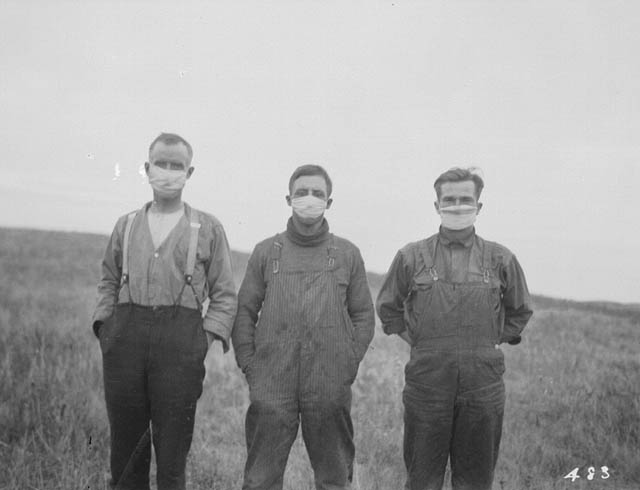
In the autumn of 1918, Toronto faced one of its darkest chapters as the Spanish Flu swept through the city. The pandemic, which claimed more than 50,000 lives across Canada, struck with devastating speed and severity. Prospect Cemetery, already a key burial ground for Toronto’s west end, became a silent witness to this tragedy.
In the waning months of the First World War, between October and December of 1918, more than one-third of all burials at Prospect Cemetery were victims of the flu. Families mourned as influenza and pneumonia claimed lives indiscriminately – children, young adults and the elderly alike. Funeral homes, such as Nash Funeral Home on St. Clair Avenue, worked tirelessly, often delivering coffins in long, sombre processions. Some older residents recalled seeing caskets stacked along the cemetery’s roadways, a haunting image of the crisis that overwhelmed the city’s resources.
The Spanish Flu’s impact on Prospect Cemetery reflected the broader devastation across Ontario, where over 8,700 deaths were recorded. Public health measures lagged behind the virus’s spread; closures of schools, churches and theatres came only after the second wave surged in October 1918. Despite these efforts, the disease continued to claim lives until 1920.
Today, Prospect Cemetery stands as a green sanctuary, but beneath its quiet lawns lie stories of suffering and loss. The influenza pandemic not only reshaped public health in Canada, leading to the creation of the federal Department of Health in 1919, but also left a lasting mark on communities like those served by Prospect Cemetery.
Sources:
• Heritage Toronto – Echoes of the Spanish Flu
• The Canadian Encyclopedia – 1918 Spanish Flu in Canada
Photo: Library and Archives of Canada, Public Domain


